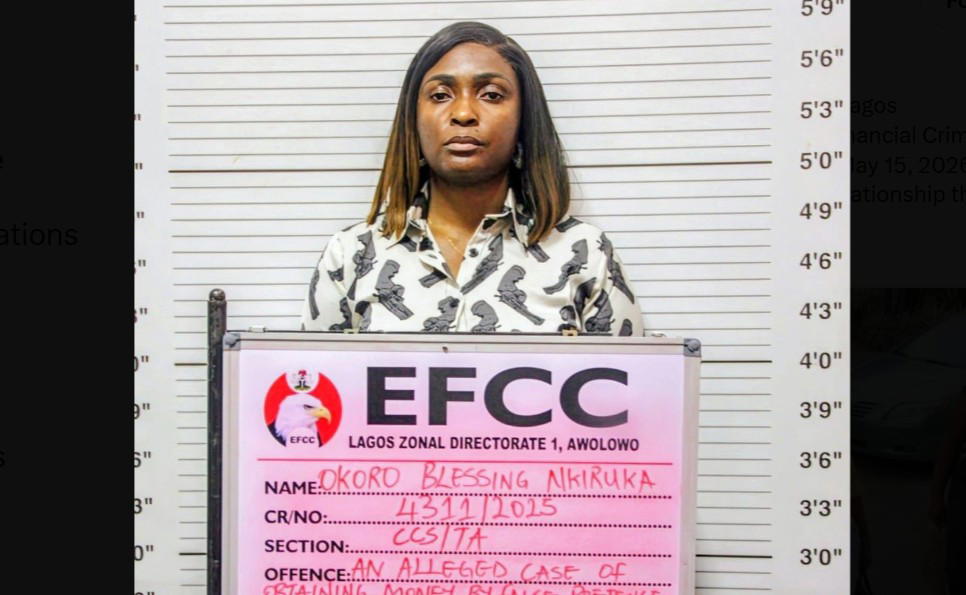
In the evolving landscape of Nigeria's socio-economic fabric, the recent arraignment of Blessing Okoro, popularly known as Blessing CEO, marks a significant moment in the intersection of celebrity culture and legal accountability. Okoro, a social media influencer and entrepreneur with a massive following, has been accused of defrauding individuals and businesses to the tune of N36 million. Her case has garnered widespread attention, not only for the high-profile nature of the accused but also for the implications it holds for regulatory scrutiny in the burgeoning influencer economy.
Blessing CEO was presented in court on May 15, 2026, facing charges that illuminate serious allegations of deceit and financial malfeasance. The Economic and Financial Crimes Commission (EFCC), Nigeria's primary anti-corruption agency, has taken the lead in this case, emphasizing its commitment to tackling fraud across all sectors of society, particularly in the digital and influencer spaces. As the proceedings unfold, Okoro has been remanded in EFCC custody, raising questions about the potential ramifications for her business and personal brand, which have thrived on the trust and engagement of her followers.
This case is not merely a legal matter; it reflects broader societal issues regarding the influence of social media personalities in Nigeria.