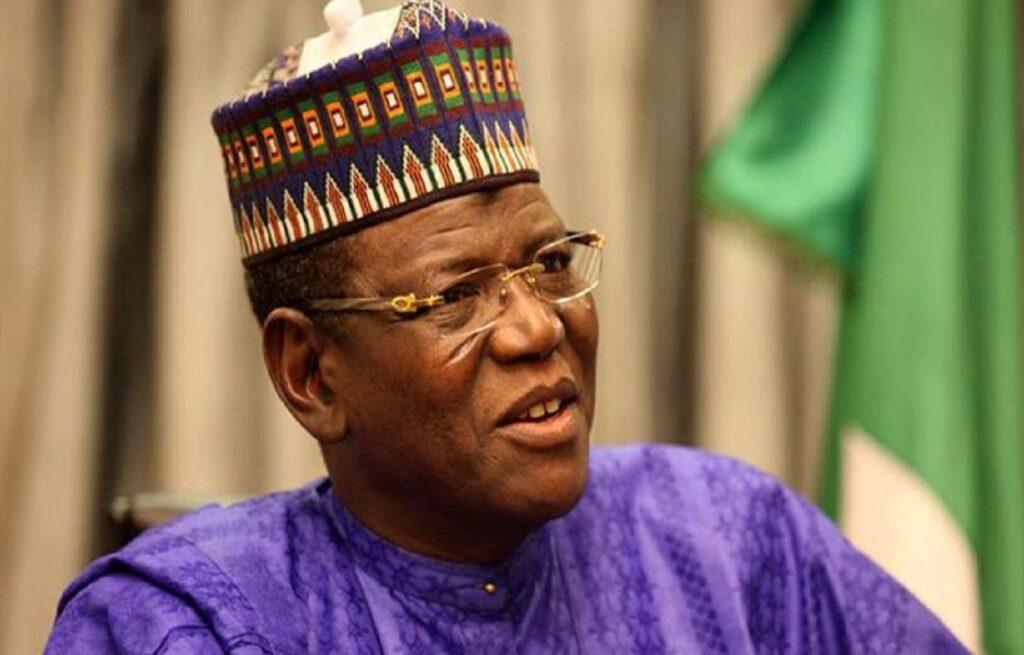
The ongoing trial of former Governor Sule Lamido and his sons over an alleged N1.35 billion fraud has taken a contentious turn as disagreements arise between the Economic and Financial Crimes Commission (EFCC) and the defense regarding a subpoenaed witness. Lamido, who served as governor of Jigawa State from 2007 to 2015, is facing serious accusations alongside his sons, Aminu and Mustapha, as well as their companies, Bamaina Holdings Ltd and Speeds International Ltd.
In court, Lamido’s legal team argued that the EFCC's refusal to allow a key witness to testify undermines the defense's case. "We believe this witness's testimony is crucial to establishing our innocence," Lamido stated outside the courtroom. The EFCC, however, contends that the witness may not provide relevant information pertinent to the fraud allegations.
As the trial unfolds, the implications extend beyond Lamido's immediate fate, raising questions about the integrity of political figures in Nigeria and the effectiveness of anti-corruption measures. With each hearing, the case could influence public trust in the judicial system and future governance, setting a precedent for similar corruption trials.