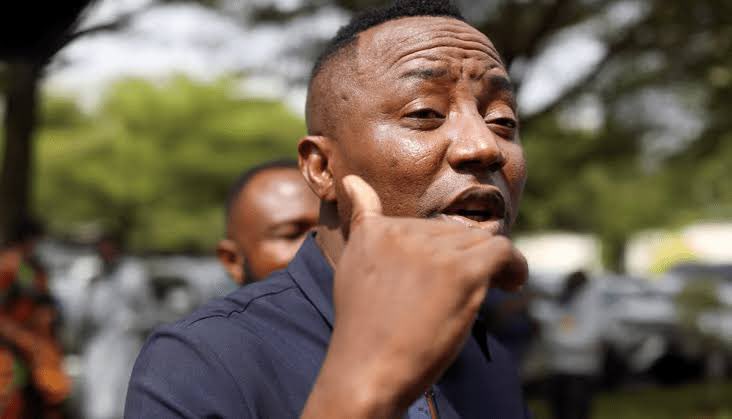
The recent decision by the Federal High Court in Abuja to restore bail for activist Omoyele Sowore, who faces allegations of cybercrime, underscores the ongoing tensions between civil liberties and state power in Nigeria. The court mandated that Sowore provide two sureties and surrender his passport, reflecting a delicate balance between ensuring his presence in court and allowing him some freedom to engage politically.
Sowore, a prominent figure in Nigeria's pro-democracy movement and presidential candidate for the African Action Congress, has long been a vocal critic of the government. His legal struggles have prompted widespread concern over the implications for free speech and political dissent in the country. "This is a significant victory for democracy," said Femi Falana, Sowore's lawyer. "It reinforces our commitment to challenge unlawful detentions and ensure accountability."
As Nigeria prepares for its upcoming elections, Sowore's case may serve as a litmus test for the government's approach to dissent. The unfolding legal battle could galvanize public opinion and influence the broader discourse on human rights and political participation in the nation.
