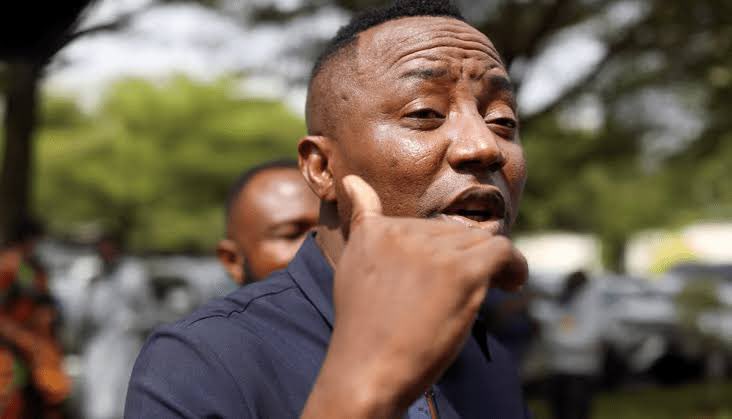
In a significant ruling, the Federal High Court in Abuja has denied activist Omoyele Sowore's request for an adjournment in his cyberbullying trial, emphasizing the court's commitment to expediting the judicial process. Sowore, known for his vocal opposition to government policies, sought to delay proceedings until after the court's vacation, citing the need for adequate preparation.
The court's refusal to grant this application reflects a broader judicial trend of prioritizing timely resolutions over prolonged delays, particularly in politically sensitive cases. Sowore's trial has garnered considerable attention, highlighting tensions between civil liberties and the state's regulatory measures in digital spaces. “The court must ensure that justice is served without undue delays,” stated Justice Ahmed Mohammed, underlining the judicial stance on maintaining momentum in such high-profile cases.
Looking ahead, the implications of this decision could resonate beyond Sowore's trial, potentially affecting the landscape of activism and free speech in Nigeria. As the case unfolds, it will likely draw increased scrutiny regarding the balance between protecting individuals from online harassment and safeguarding the right to dissent in an increasingly digital world.