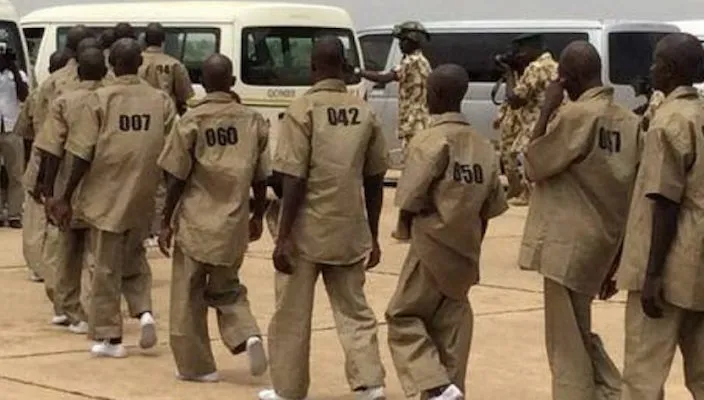
A significant turn in the alleged coup plot trial has emerged, with a witness asserting that the suspects provided their confessional statements voluntarily and in a state of calm. This testimony is crucial as it informs a trial-within-trial process to determine the admissibility of these confessions, a pivotal element in the prosecution's case.
The court is currently scrutinizing the circumstances under which the statements were made, with defense attorneys arguing that coercion might have influenced the suspects' admissions. The witness, a law enforcement officer, emphasized, "The suspects were fully aware of their rights and seemed composed during the questioning." This assertion challenges defense claims and may bolster the prosecution's narrative regarding the suspects' intent and state of mind.
As the trial progresses, the judge's ruling on the admissibility of the confessions will have significant implications for the case's outcome. Legal experts suggest that if the statements are upheld, it could strengthen the government's position against the alleged coup plotters, while a dismissal could lead to substantial challenges in proving the case. The unfolding events underscore the complex interplay of law and politics in this high-stakes trial.