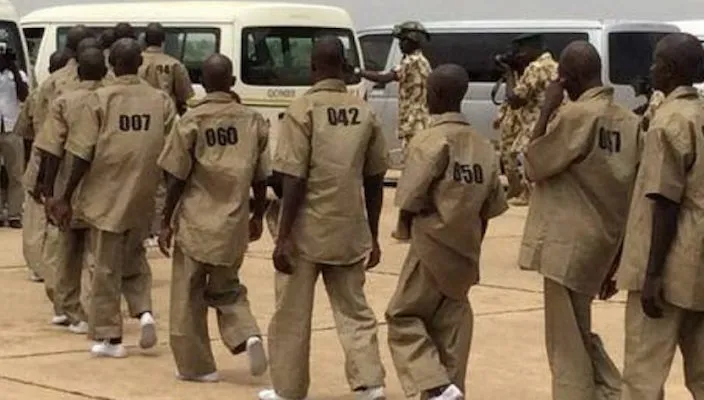
The acceptance of video evidence against two defendants in an alleged coup plot marks a pivotal moment in Nigeria's ongoing struggle for stability. The Federal High Court in Abuja's decision to admit this evidence signals a serious escalation in the legal proceedings surrounding the case, which has garnered significant public and media attention.
The defendants, facing charges of conspiracy to undermine the government, have been under scrutiny since their arrest last year. The prosecution claims the video footage clearly implicates them in planning the coup. "This evidence is crucial in demonstrating the gravity of the defendants' actions," stated Justice Ibrahim Mohammed, underscoring the court's commitment to ensuring accountability.
As the trial unfolds, the implications extend beyond the courtroom, reflecting deeper national security concerns. Analysts warn that the outcome could influence public trust in the government and its institutions. With a nation grappling with political unrest and economic challenges, the case serves as a litmus test for Nigeria's democracy. The coming weeks will be critical as the court evaluates the evidence and determines the fate of the defendants, shaping the narrative of governance and security in the region.