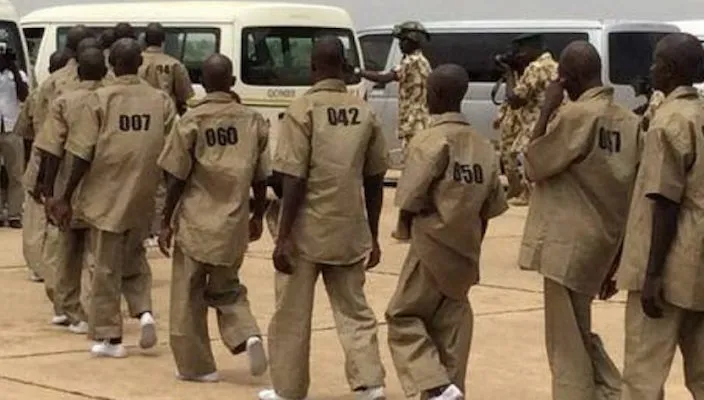
The ongoing trial of six individuals accused of attempting to orchestrate a coup against President Bola Tinubu underscores the fragile stability of Nigeria's political landscape. As proceedings unfolded in Abuja, a prominent cleric, Sheikh Ahmad Gumi, asserted, "I warned the plotters they'd fail; such actions only lead to greater chaos." His statement reflects a broader sentiment among political observers who fear that unrest could undermine democratic processes in the nation.
The alleged coup plot, which has captivated public attention, raises questions about governance and public trust in the administration. Many Nigerians are concerned about the motivations behind the plot and the implications for national security. The government's response includes a rigorous judicial process intended to restore confidence in the rule of law.
As the trial progresses, the outcome may have significant ramifications for Nigeria's political stability. Analysts suggest that a swift resolution could either reinforce the legitimacy of Tinubu's leadership or exacerbate divisions among the populace. Given the historical context of coups in Nigeria, the stakes are high for both the government and its critics as the nation navigates these turbulent waters.