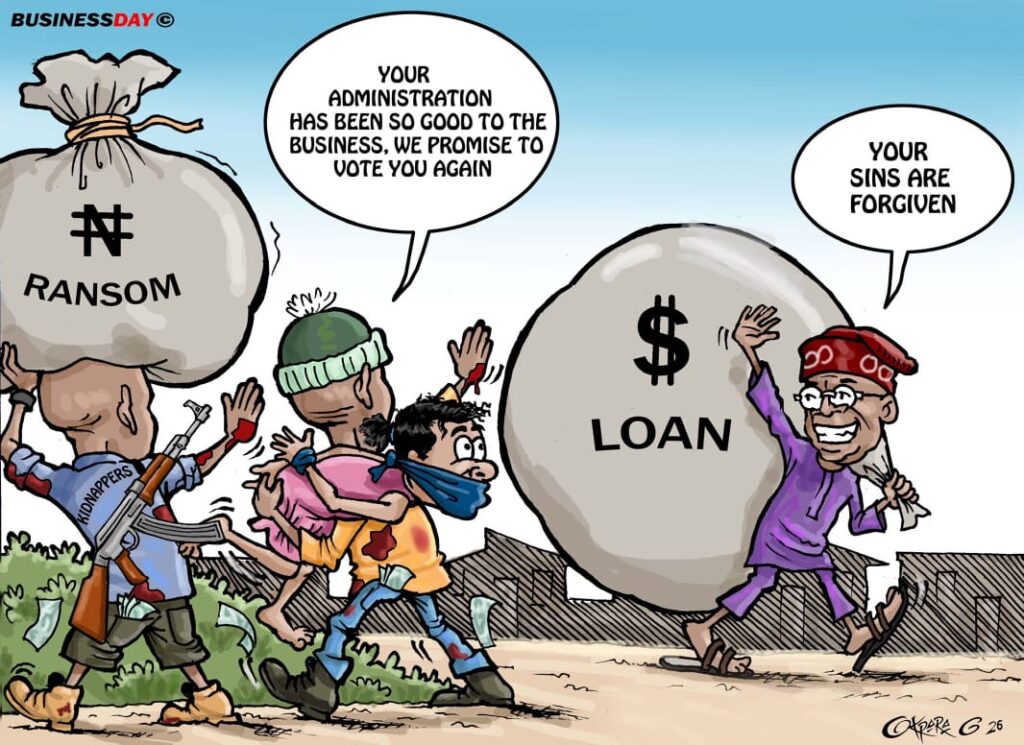
Corruption remains a pervasive issue in Africa, undermining governance and stifling economic growth. Recent reports indicate a surge in corruption cases across various sectors, with both public and private entities implicated. This has prompted renewed calls for transparency and accountability, as citizens grow increasingly frustrated with the lack of action from authorities.
In Nigeria, the Economic and Financial Crimes Commission has intensified its investigations into high-profile cases, revealing systemic issues that allow corruption to thrive. "The fight against corruption is not just a legal battle; it’s a moral imperative for our future," stated Olufemi Adebayo, Executive Director of Transparency Watch. His comments highlight the urgency of addressing this issue not only for justice but for the stability of the region.
As African nations grapple with the implications of corruption on development, there is a pressing need for collaborative efforts to enhance governance frameworks. The road ahead must involve robust anti-corruption strategies, civil society engagement, and international cooperation to restore faith in public institutions. Without decisive action, the cycle of corruption will continue, threatening the continent's prospects for sustainable growth.