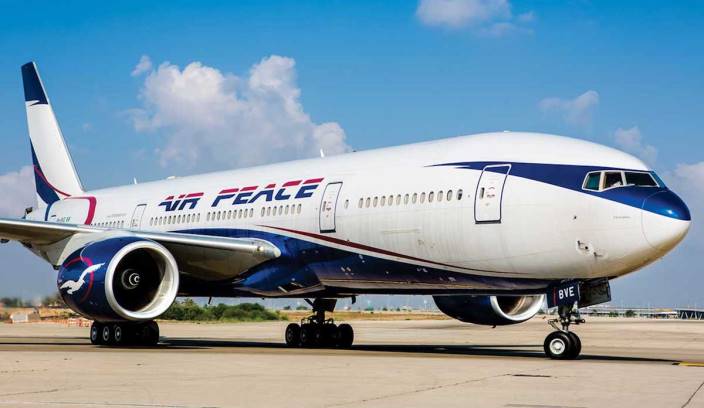
The bustling Murtala Muhammed International Airport in Lagos, usually abuzz with the cacophony of boarding announcements and the steady stream of travelers, saw a ripple of discontent recently as Air Peace, a prominent Nigerian airline, announced an operational disruption affecting its Lagos-London service. The airline cited airspace access issues as the primary cause, sending ripples through the aviation community and leaving passengers scrambling to adjust their travel plans. This incident, though not unprecedented, underscores the complex web of logistical and regulatory challenges that airlines face in maintaining international routes.
Air Peace, established in 2013, has grown to become one of Nigeria's leading airlines, with an ambitious expansion strategy that includes international routes to key destinations. Its Lagos-London service, launched with great fanfare, represents a significant milestone in connecting Nigeria more directly to global hubs. The importance of this route cannot be overstated, as it serves as a critical link for business travelers, tourists, and the Nigerian diaspora seeking easier access to the United Kingdom.
The disruption attributed to airspace access issues highlights the intricate regulatory environment governing international air travel. Airspace management involves coordination among multiple countries, each with its own set of regulations and restrictions.