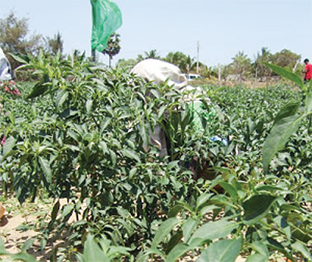
Nigeria's agricultural sector is facing a significant crisis as exports plummeted by 31.2 percent in the first quarter of 2026. This decline is attributed to a combination of prolonged port delays, overuse of pesticides, outdated chemical preservatives, and challenges in securing necessary phytosanitary certifications. These issues have not only hampered domestic producers but also led to global rejections of Nigerian agricultural products, raising concerns about the country's competitiveness in international markets.
Stakeholders are voicing their frustrations. "The lack of efficient logistics and outdated practices are hurting our farmers and threatening food security,” stated Dr. Amina Bello, President of the Nigerian Farmers Association. The repercussions are far-reaching, with smallholder farmers particularly vulnerable as they struggle to meet export standards amidst tightening regulations abroad.
Looking ahead, the Nigerian government must prioritize reforming port operations and modernizing agricultural practices to restore confidence in its export capabilities. Without decisive action, Nigeria risks losing its foothold in the global agricultural market, which could have lasting implications for its economy and food supply chain.