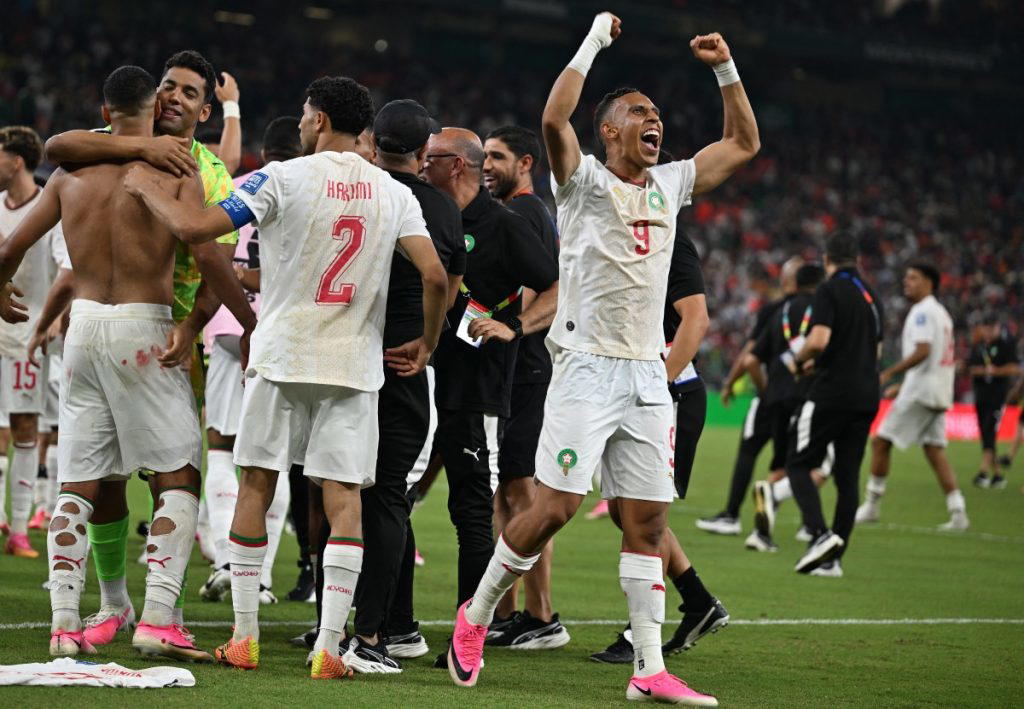
The recent performance of African teams in the 2026 World Cup has reignited debates on the increase of slots allocated to the continent, especially following Italy's shocking absence. With Morocco reaching the semifinals and Senegal and Ghana advancing to the knockout stages, African nations have demonstrated their growing competitiveness on the global stage. This success has led to calls for a reevaluation of the perceptions around African football.
Critics like former Italy coach Gennaro Gattuso have expressed concern, stating, "It is a shame that traditional powerhouses are missing, but Africa's growth is undeniable." This sentiment encapsulates the tension between historical dominance and emerging talent. The 2026 tournament, now expanded to 48 teams, has provided a platform for African squads to showcase their capabilities, challenging long-held stereotypes and expectations.
As the momentum builds, the focus shifts to how this newfound recognition will shape future tournaments. With Africa's rising football prowess, the continent could increasingly influence global football dynamics, potentially leading to more equitable representation in international competitions. The narrative is changing; African football is not just rising—it's becoming a force to be reckoned with.