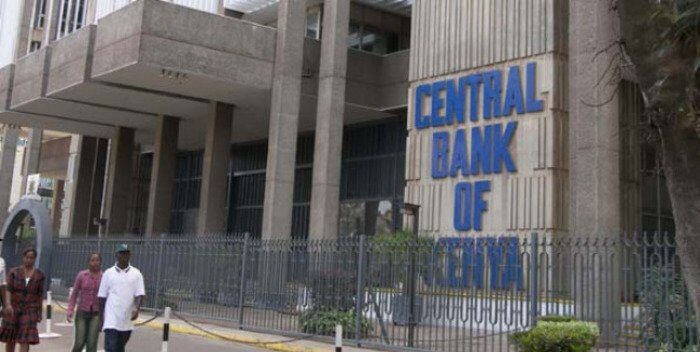
As Africa grapples with inflationary pressures, Kenya's central bank has opted to maintain its benchmark lending rate at 8.75 percent for the second consecutive meeting, diverging from regional tightening trends. This decision comes amid growing concerns over the economic impact of high borrowing costs on growth, particularly in a post-pandemic recovery landscape.
Kenya's monetary policy stance reflects a balancing act between controlling inflation, which has hovered above target levels, and fostering economic expansion. The decision has drawn mixed reactions, with some analysts advocating for a tightening to safeguard against inflation. "We believe the current rate is suitable for stimulating economic activity without exacerbating inflationary pressures," stated Dr. Patrick Njoroge, Governor of the Central Bank of Kenya.
Looking ahead, the central bank's cautious approach could provide much-needed stability in the short term, but rising global commodity prices and potential external shocks may challenge this balance. As Kenya navigates these complexities, its policy decisions will be closely watched by other African nations facing similar dilemmas, highlighting the interconnectedness of the continent's financial landscape.