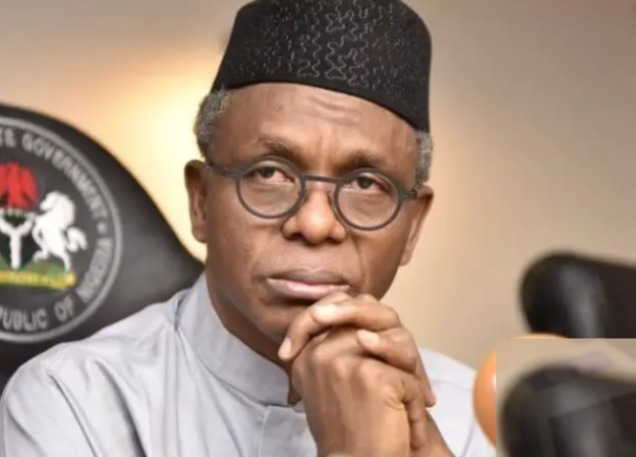
In a sweeping call for reform, Nigeria's Finance Minister, Wale Oyedele, addressed an international conference in Abuja, stressing the urgent need for African nations to overhaul their financial systems. The minister highlighted that Africa remains shackled by a "prejudice premium" in global finance. This systemic bias, he argued, continues to stifle the continent’s access to affordable capital, ultimately impeding industrial growth and economic prosperity. His remarks come at a critical juncture as African economies grapple with post-pandemic recovery, heightened global economic uncertainty, and the pressing demand for sustainable industrial development.
Historically, Africa's economic landscape has been shaped by a complex interplay of colonial legacies, resource dependency, and structural imbalances in the global financial architecture. These factors have often left African nations at a disadvantage in accessing international capital markets. Despite an abundance of natural resources, the continent has struggled to convert this wealth into broad-based industrial growth. Many African countries still rely heavily on primary commodities, a situation exacerbated by volatile global markets and fluctuating commodity prices. The Organisation for Economic Co-operation and Development (OECD) has long noted that Africa's financial systems are underdeveloped, highlighting the need for comprehensive reforms to build resilient economies.