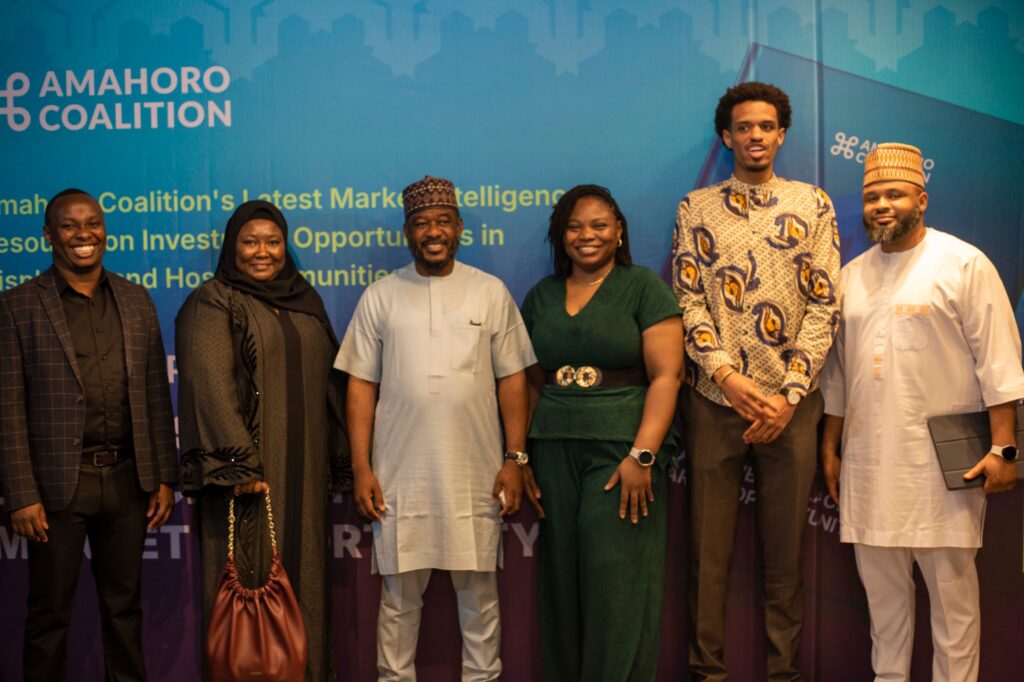
Africa's displaced population, estimated at 43.1 million, is generating an astonishing $27 billion annually, highlighting the economic potential of those forced from their homes. A recent report by BusinessDay reveals that Nigeria alone contributes approximately $300 million to this figure, underscoring the significant role that displaced individuals play in local economies despite their challenging circumstances.
This influx of income stems from various activities, including informal trade and remittances, which often sustain families and communities. "Our displaced populations are not just victims; they are economic agents," stated Amina Toure, a senior researcher at the African Institute for Development Policy. This perspective shifts the narrative from mere humanitarian concern to recognizing the contributions displaced people make to their host countries.
As policymakers grapple with the complexities of displacement, understanding its economic implications becomes crucial. Leveraging the skills and resources of displaced populations could enhance economic resilience across the continent. Moving forward, it is imperative that governments and organizations collaborate to create opportunities that empower these individuals, transforming their plight into a driver for sustainable development.