As Africa Day 2026 highlights the continent's aspirations, Nigeria's historical role as a leader in African development remains crucial. Since its independence in 1960, Nigeria has been perceived as a beacon of hope for African unity and progress. However, the nation faces significant internal challenges, including economic instability, security issues, and political fragmentation, which threaten its ability to fulfill its continental obligations.
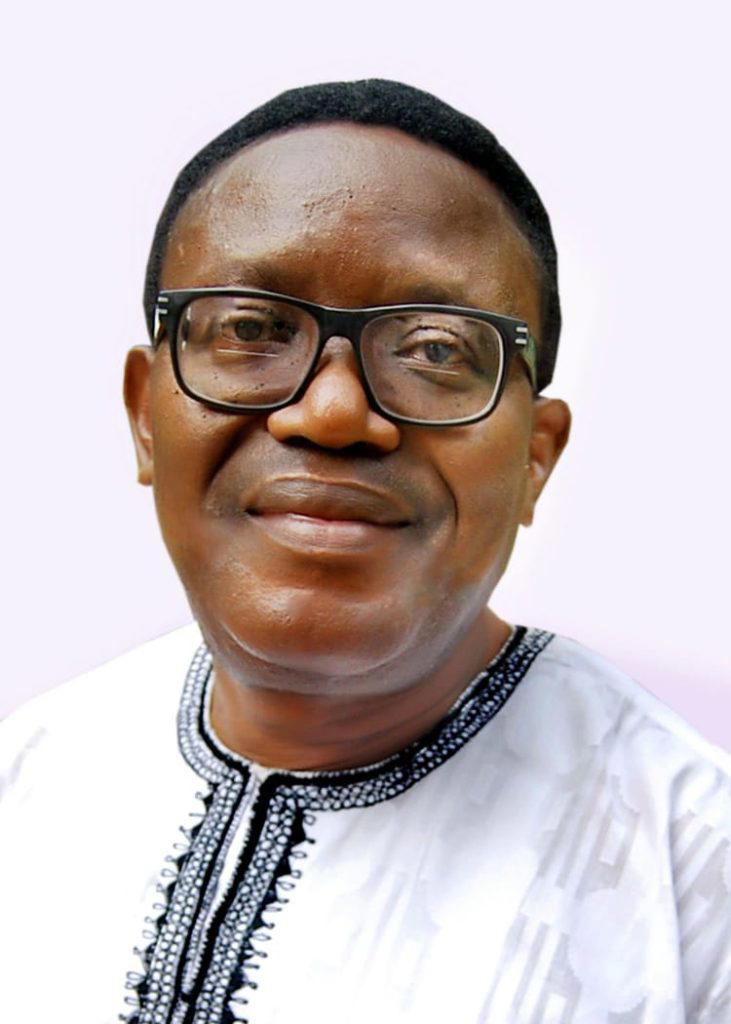
Owei Lakemfa emphasizes that Nigeria's mission extends beyond its borders, stating, "Our duty is not just to ourselves but to the entire continent that cradled humanity." This perspective underscores the need for Nigeria to leverage its resources and population to drive regional growth and development. The recent discussions at various African summits have called for Nigeria to take a more proactive role in peacekeeping and economic collaboration.
Looking ahead, Nigeria must not only address its domestic issues but also embrace its responsibility as a leader in Africa. By fostering regional partnerships and investing in sustainable development, Nigeria can reclaim its position as a cornerstone of African progress, ultimately benefiting both itself and the continent at large.
