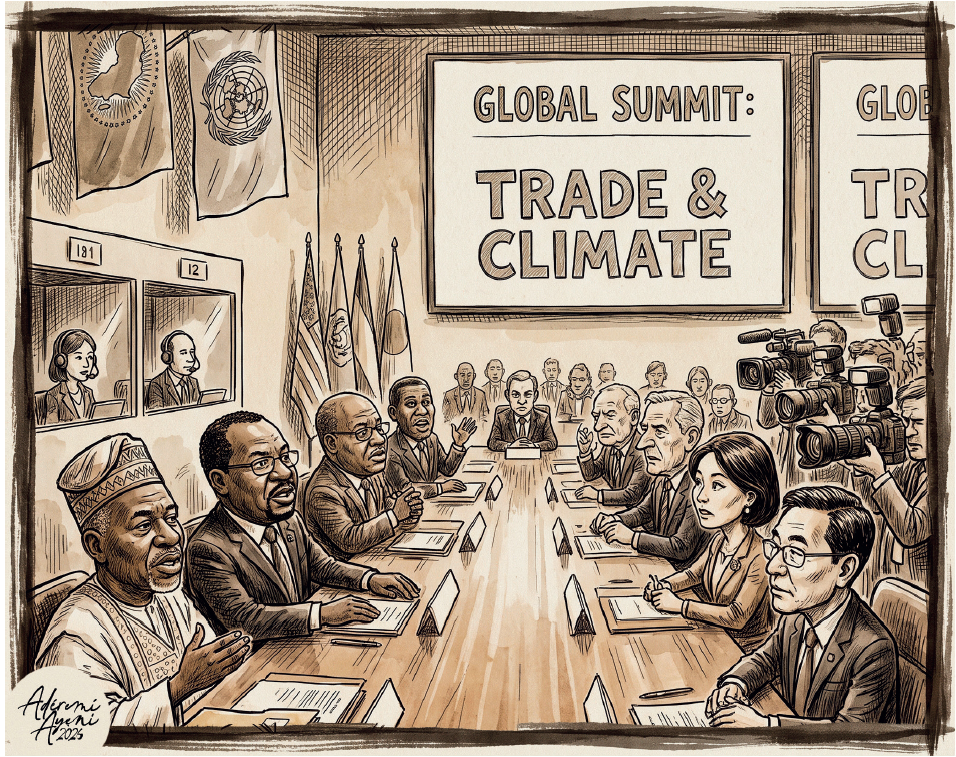
The evolving dynamics of Africa+1 diplomacy signal a pivotal moment in international relations for the continent. Over the past three decades, major powers, particularly China, have sought to forge deeper ties with African nations, often sidelining regional unity in favor of bilateral agreements. This fragmented approach has raised concerns about the long-term implications for Africa's sovereignty and collective bargaining power.
Recent discussions highlight the need for a coherent continental strategy to address these challenges. "Africa must present a united front to ensure that our interests are prioritized," stated Dr. Amina Mohammed, Deputy Secretary-General of the United Nations. Her call for unity underscores the urgency for African leaders to collaborate more effectively in their dealings with global powers.
As Africa faces increasing geopolitical pressures, a strategic, unified approach could enhance its influence on the world stage. By prioritizing regional integration and collective interests, African nations can better navigate the complexities of international diplomacy, leveraging their resources and demographics to secure favorable outcomes for their people. The future of Africa’s diplomacy may depend on this critical shift towards collaboration.