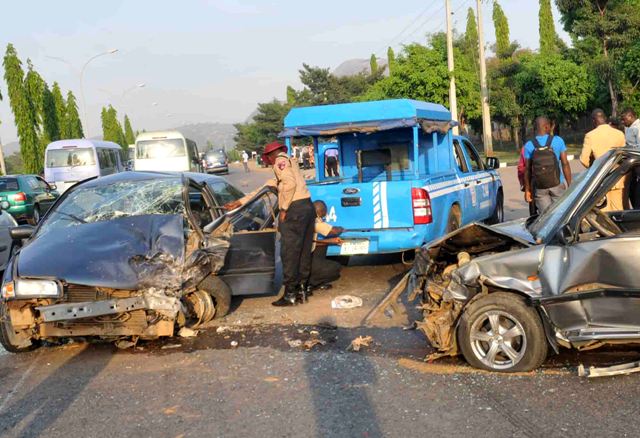
Rising road crashes in Nigeria have sparked urgent calls for government action, with the Asagba of Asaba, HRM Prof. Epiphany Azinge, emphasizing the need for enhanced citizens' welfare. Linking traffic violations to economic hardship, he contends that addressing the root causes of these violations is essential for improving road safety. The monarch's remarks come amid alarming statistics showing a significant increase in road accidents, exacerbated by reckless driving and inadequate infrastructure.
In a recent address, Azinge stated, "When citizens are economically empowered, they are more likely to adhere to traffic regulations." This statement underscores the interplay between socioeconomic conditions and public safety. With many Nigerians struggling to make ends meet, the temptation to cut corners on the road grows, highlighting a critical area for intervention.
As discussions around road safety continue, the call for improved welfare policies presents an opportunity for the federal and state governments to rethink their strategies. By investing in citizens’ economic stability, authorities can foster a culture of compliance with traffic laws, ultimately leading to safer roads and a reduction in fatalities. The path forward requires a holistic approach that prioritizes both enforcement and citizens’ well-being.
