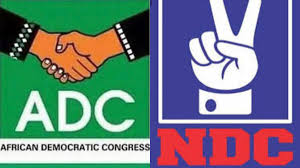
The recent departure of prominent figures Peter Obi and Rabiu Musa Kwankwaso from the African Democratic Congress to the newly formed Nigeria Democratic Congress underscores a significant crisis within the opposition in Nigeria. This fragmentation not only reflects the internal discord among political parties but also raises concerns about the broader implications for the electorate, who feel increasingly sidelined.
Obi and Kwankwaso’s move is emblematic of a shifting political landscape where personal ambitions often overshadow collective goals. Their transition highlights a desperate quest for unity among opposition factions, as they aim to present a formidable challenge to the ruling party. As Kwankwaso stated, "We must prioritize the people's needs over political ambition, or we risk losing their faith completely."
This evolving scenario poses critical questions about the effectiveness of opposition strategies and their ability to resonate with the concerns of everyday Nigerians. With the 2027 elections on the horizon, the fractured opposition must urgently address its disarray and reconnect with the masses to foster a viable alternative to the current government. Failure to do so may result in a continued cycle of neglect and disillusionment among the electorate.