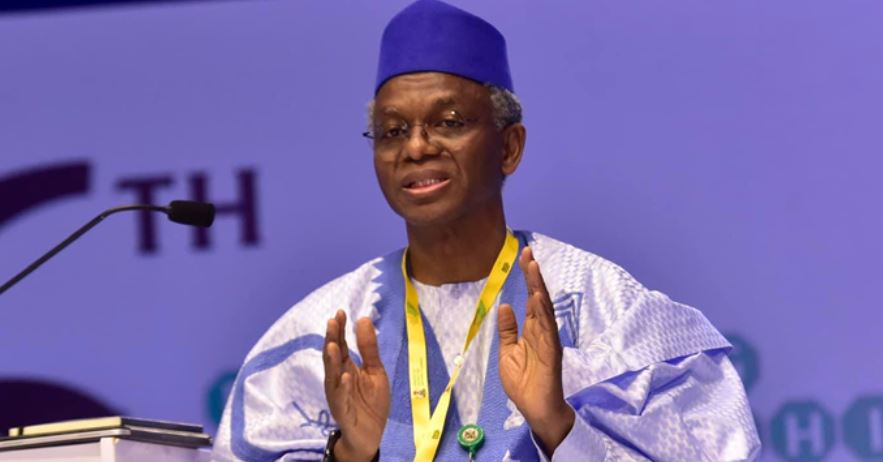
The African Democratic Congress (ADC) has taken a bold stance by declaring former Kaduna State governor Nasir El-Rufai a prisoner of conscience, demanding his immediate release amid ongoing political tensions. This declaration follows El-Rufai's controversial detention, which has sparked widespread debate about the limits of political dissent in Nigeria.
El-Rufai, a prominent figure known for his polarizing policies, was arrested under accusations of inciting violence and undermining national security. The ADC's National Executive Committee argues that his detention suppresses free speech and democratic engagement. Party Chairman, Ralph Nwosu, emphasized, "We must protect dissenting voices in our democracy, or we risk sliding into authoritarianism."
The ADC's intervention highlights a growing concern among political groups regarding the treatment of opposition leaders in Nigeria. As the political landscape evolves, this incident could set a precedent for how dissent is managed. The ADC's call for El-Rufai's release may resonate beyond party lines, fostering broader discussions on human rights and governance in the country. The situation remains fluid, and its implications could significantly impact Nigeria's political future.
