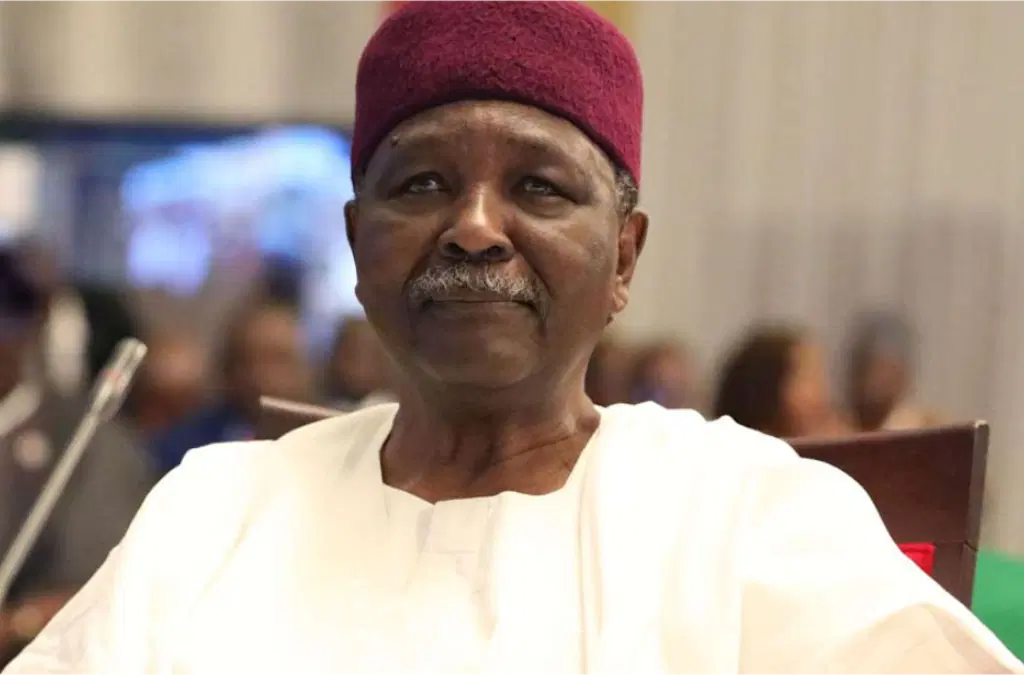
In a recent reflection on Nigeria's civil war, former military leader Yakubu Gowon accused Chukwuemeka Odumegwu Ojukwu of obstructing peace initiatives that could have averted the conflict. This assertion reignites debates over the Aburi Accord, a pivotal agreement aimed at resolving tensions between the Eastern region and the Nigerian government in the late 1960s. The failure of this accord is often cited as a catalyst for the devastating civil war that ensued from 1967 to 1970, resulting in significant loss of life and deep societal scars.
Gowon, who led Nigeria during the tumultuous period, stated, "Ojukwu's refusal to compromise on key issues made it impossible to reach a lasting peace." His remarks highlight ongoing divisions in the country regarding historical narratives and accountability. As Nigeria grapples with the legacy of the civil war, the recent comments may reignite discussions on reconciliation and national unity.
Looking ahead, it is crucial for Nigeria to address historical grievances and foster dialogue among its diverse communities. Understanding the past is essential for building a cohesive future, as the echoes of the civil war still resonate in contemporary politics and society.