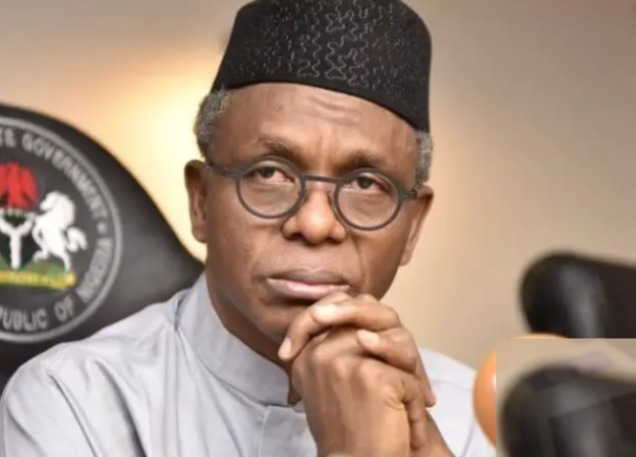
In Nigeria, a troubling trend of perpetual campaign mode has emerged, with political leaders prioritizing re-election over effective governance. Since the last general election, the focus has shifted away from addressing pressing issues such as infrastructure, healthcare, and education. This relentless pursuit of votes has hampered meaningful policy-making and resulted in stagnation in public service delivery.
Recent developments, including the announcement of early campaign activities for upcoming elections, highlight this phenomenon. Political leaders are increasingly seen attending rallies and engaging in promotional activities rather than tackling the significant challenges facing the nation. Samuel Okoro, a political analyst, noted, “The continuous chase for votes blinds our leaders to the urgent needs of the citizens, creating a governance vacuum that is detrimental to national progress.”
Looking ahead, the critical question remains: can Nigeria break free from this cycle? As the electoral calendar approaches, the hope for a shift toward genuine governance and accountability becomes ever more essential. Without it, the country risks further deterioration in public trust and the socio-economic fabric that binds its diverse population.