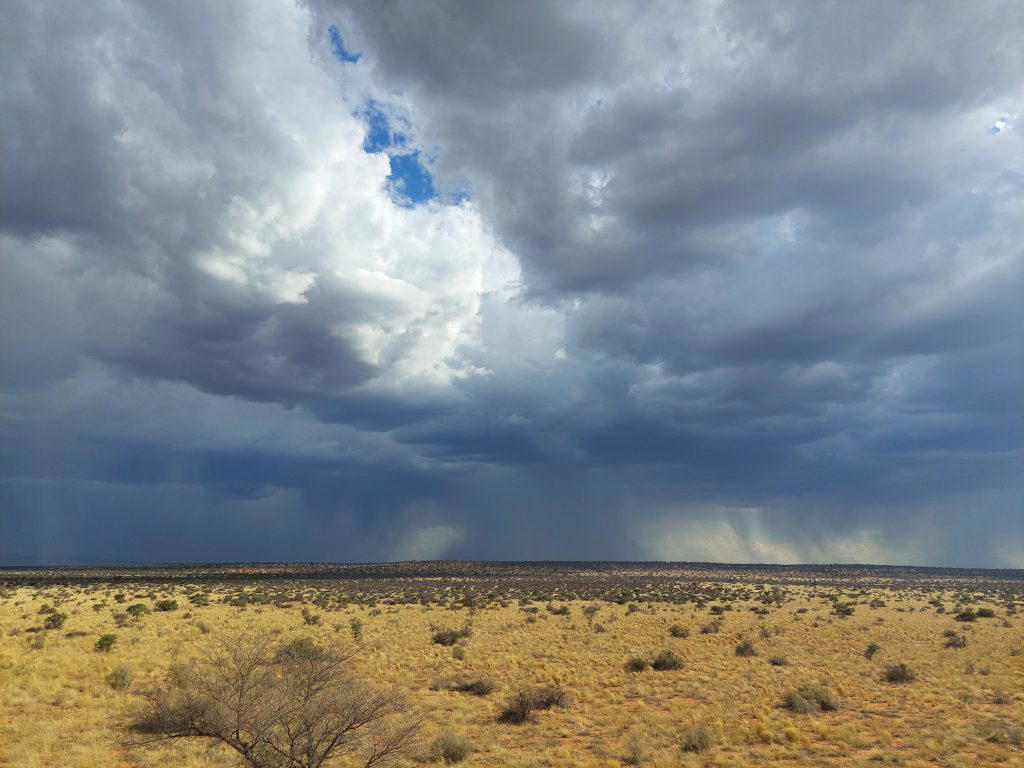
Across Africa, the struggle against scarce rainfall is particularly acute in nine countries where arid conditions prevail due to expansive desert landscapes. The Sahara and Namib Deserts dominate these regions, resulting in critical water shortages that threaten agriculture, livelihoods, and overall economic stability. Countries such as Libya, Egypt, and Namibia face severe challenges as climate change exacerbates already erratic weather patterns.
Experts warn that the implications of dwindling rainfall extend beyond immediate water scarcity. Ibrahim Diallo, a climate analyst with the African Development Bank, noted, “The lack of consistent rainfall not only affects food security but also heightens the risk of conflict over diminishing resources.” This sentiment underscores the urgency of addressing climate resilience and sustainable agricultural practices in these vulnerable nations.
Looking ahead, the focus must shift toward innovative water management solutions and regional cooperation to mitigate the impacts of low rainfall. As communities adapt to these stark realities, investment in technology and infrastructure will be vital to building resilience against the forces of climate change that threaten the very fabric of life in these arid regions.
