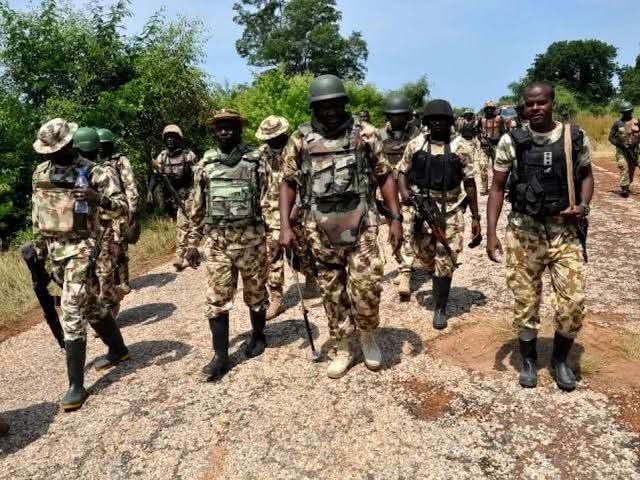
The recent surrender of 76 ISWAP commanders marks a significant shift in the ongoing battle against terrorism in Nigeria's North-East region. This development follows intensified air and ground operations by the Joint Task Force, Operation Hadin Kai, aimed at dismantling terrorist strongholds. The military's aggressive strategy has reportedly weakened ISWAP's operational capabilities, leading to this unprecedented wave of surrenders.
Military sources indicate that the surrendering commanders include some of ISWAP's senior leaders, which could disrupt the group's command structure. "This is a clear indication that our operations are yielding results, and we are committed to eradicating the threat posed by ISWAP," stated Brigadier General Ibrahim Ali, commander of Operation Hadin Kai. This sentiment underscores the military's focus on sustaining pressure to encourage further defections and weaken insurgent morale.
Looking ahead, the challenge remains to reintegrate these former militants into society while ensuring that military pressure continues to dissuade others from joining extremist ranks. As the Nigerian military builds on this momentum, the potential for a shift in the security landscape could lead to a more stable North-East, but it will require sustained efforts and community engagement.
