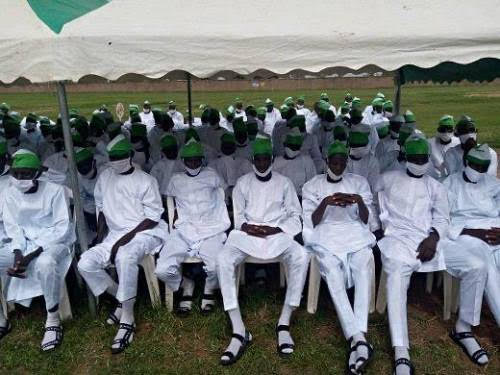
The reintegration of 744 ex-terrorists into society raises critical questions about safety and reconciliation in regions plagued by violence. These individuals, previously part of extremist groups, have been labeled “repentant” and are being presented as potential agents of peace. However, skepticism remains regarding their true intentions and the risk they pose to communities still healing from the trauma of terror.
The Nigerian government has been implementing various de-radicalization programs aimed at transforming these former militants into peaceful citizens. “We believe that with proper rehabilitation, these individuals can contribute positively to society,” stated Major General Lucky Irabor, Chief of Defence Staff. Yet, concerns linger among victims and local populations about the sincerity of these repentances and the adequacy of oversight in their reintegration processes.
As the dialogue surrounding forgiveness and accountability continues, the path forward must prioritize both community safety and the potential for genuine reconciliation. The success of these initiatives will ultimately depend on transparent monitoring and support from civil society, ensuring that the transition from violence to peace is not just a hopeful narrative, but a tangible reality.