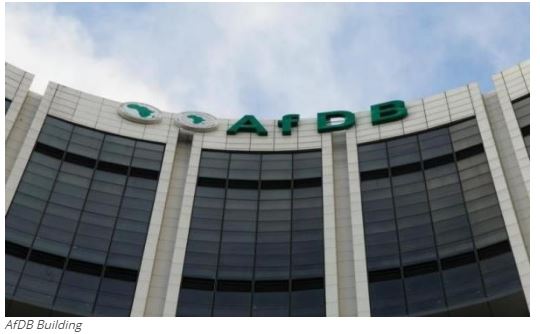
The rejection of the AfDB and World Bank-backed “Mission 300” electricity initiative by Nigerian and other African labor unions underscores the growing unrest among workers over external interventions in local energy policies. This initiative, aimed at providing electricity to 600 million Africans, was met with fierce opposition, as unions argue that it prioritizes profit over the well-being of citizens.
Key concerns revolve around the implications for local labor, with union representatives suggesting that the plan could lead to job losses and undermine domestic energy industries. "We cannot allow our future to be dictated by foreign institutions that do not understand our challenges," stated Adebayo Afolabi, President of the Nigerian Labour Congress. This sentiment reflects a broader skepticism towards international funding, which many believe lacks a holistic approach to Africa's energy crisis.
As the continent grapples with significant energy shortages, the rejection of such initiatives could prompt a reevaluation of energy strategies, emphasizing the need for inclusive dialogue with local stakeholders. Moving forward, it is crucial for African nations to advocate for energy solutions that align with their unique socioeconomic landscapes, ensuring that development is equitable and sustainable.
