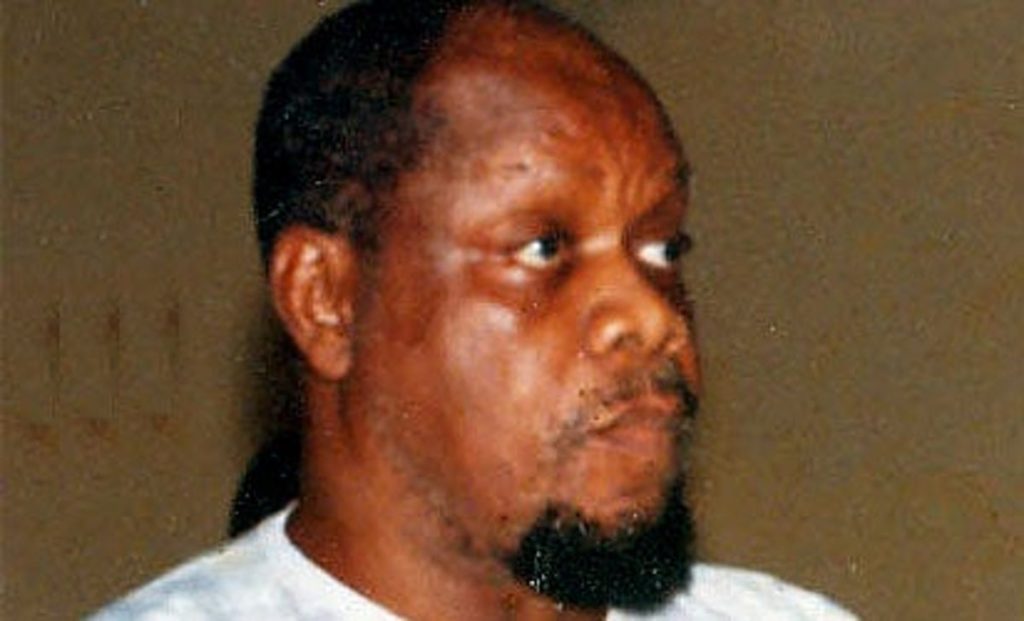
As Nigeria marks 59 years since the Biafran War, the specter of marginalization looms large over the Igbo people, echoing the sentiments of their former leader, Odumegwu Ojukwu, who advocated for restructuring in a bid to address longstanding grievances. Since the war's end in 1970, the socio-political landscape has seen the Igbo community increasingly sidelined, fueling calls for greater autonomy and recognition.
Recent discussions have revived Ojukwu's vision, with stakeholders emphasizing the need for a comprehensive restructuring of Nigeria's federal system. "If we do not address the inequities faced by the Igbo, we risk repeating the mistakes of the past," stated Chijioke Nwankwo, a prominent Igbo leader. This sentiment resonates amidst growing agitation for self-determination and equitable representation within the Nigerian government.
As Nigeria grapples with these historical and contemporary issues, the need for dialogue and genuine restructuring becomes more urgent. The future of the Igbo in Nigeria may hinge on the country’s willingness to revisit these foundational debates, paving the way for a more inclusive and harmonious society.