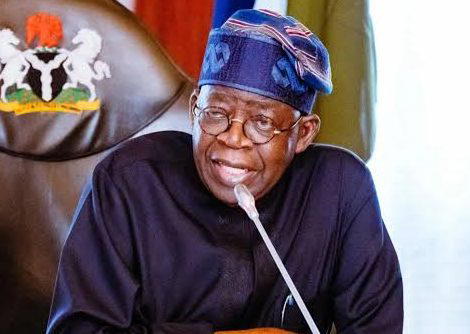
As Nigeria marks the third anniversary of President Bola Tinubu's administration, the focus remains on the sweeping economic reforms aimed at stabilizing the nation's finances. The removal of petrol subsidies, which once cost the government ₦18.4 billion daily and over ₦4 trillion in 2022, represents a fundamental shift in fiscal policy. Tinubu emphasized this transition, stating, "Our reforms are stabilizing Nigeria’s economy by eliminating the unsustainable subsidy regime."
The subsidy removal has been both controversial and necessary, with critics arguing it has led to increased fuel prices and inflation, while supporters highlight the long-term benefits, such as a more efficient market and better allocation of resources. The administration is also prioritizing investments in infrastructure and agriculture to stimulate growth and reduce dependency on oil revenues.
Looking ahead, the success of these reforms will depend on the government's ability to manage public discontent and ensure that the economic benefits are felt by all Nigerians. The next steps will involve transparent communication and addressing the immediate challenges faced by citizens as the country adapts to a new economic reality.
