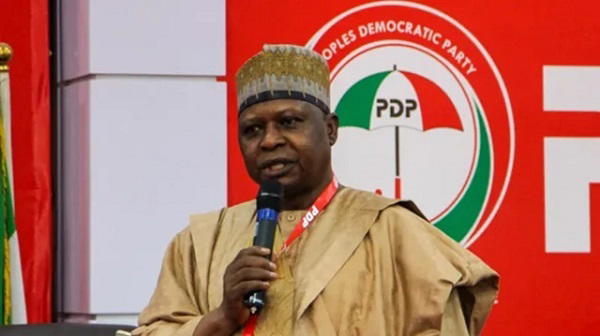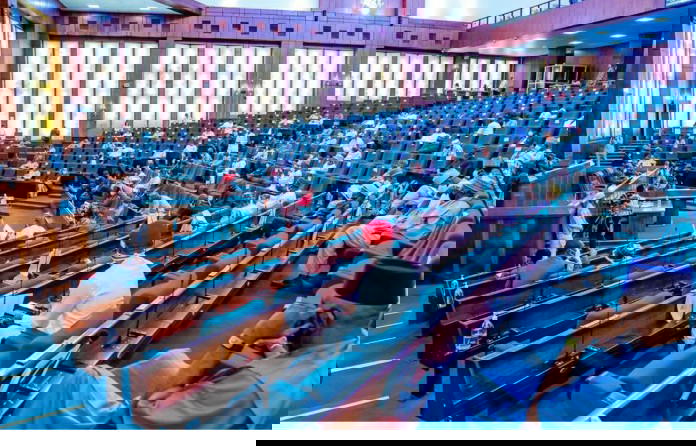
The recent passage of the state police bill by the House of Representatives, with 311 votes, marks a pivotal moment in Nigeria's law enforcement landscape. The bill's approval came amid significant dissent, as minority caucus members walked out in protest, arguing that the legislation could exacerbate regional tensions and create avenues for abuse of power. Speaker Abbas Tajudeen noted that 35 lawmakers participated virtually, highlighting the growing reliance on technology in legislative processes.
This development follows years of debate over state policing, driven by concerns over security and the effectiveness of federal police forces. Proponents argue that localized policing will enhance accountability and responsiveness, while critics worry about the potential for politicization and loss of centralized oversight. "We believe state police will empower communities and improve security," stated Speaker Tajudeen.
Looking ahead, the implementation of this bill will undoubtedly test Nigeria's political fabric. As states begin to set up their police forces, the effectiveness of these local units will be scrutinized, and the balance of power between federal and state authorities will be critical in shaping the nation's security dynamics.