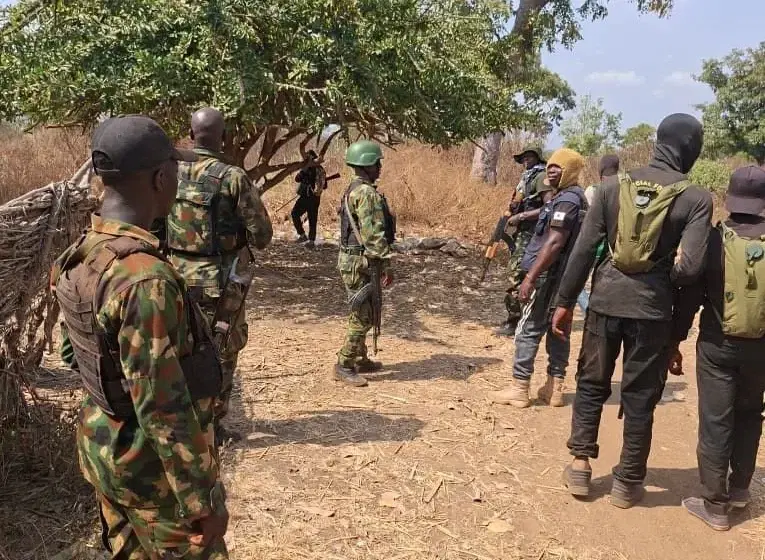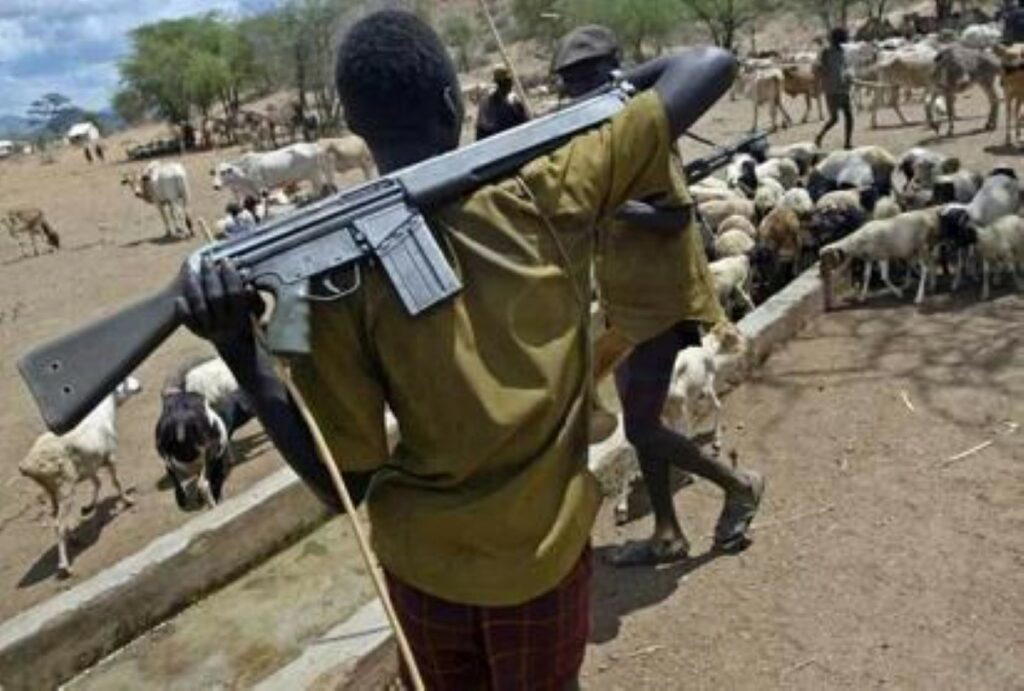
A recent report by the United States Commission on International Religious Freedom highlights a grave escalation in Nigeria's security crisis, estimating that around 30,000 armed Fulani militants are currently active across the nation. This surge has intensified longstanding tensions, particularly in the Middle Belt region, where communal conflicts over land and resources have become increasingly violent.
The report underscores the militants' role in exacerbating religious freedom violations, impacting both Christian and Muslim communities. This alarming trend signals a breakdown of law and order, with Nigerian authorities struggling to contain the violence. As USCIRF Commissioner Nury Turkel noted, "The Nigerian government must take immediate and decisive action to address the root causes of this violence and protect all citizens."
The implications are severe, as the ongoing insecurity not only threatens lives but also hinders economic development and social cohesion. With Nigeria facing upcoming elections, the government’s ability to restore security will be critical. Stakeholders are now urging international partners to engage more actively in addressing the multifaceted challenges, as the path to stability remains fraught with obstacles.