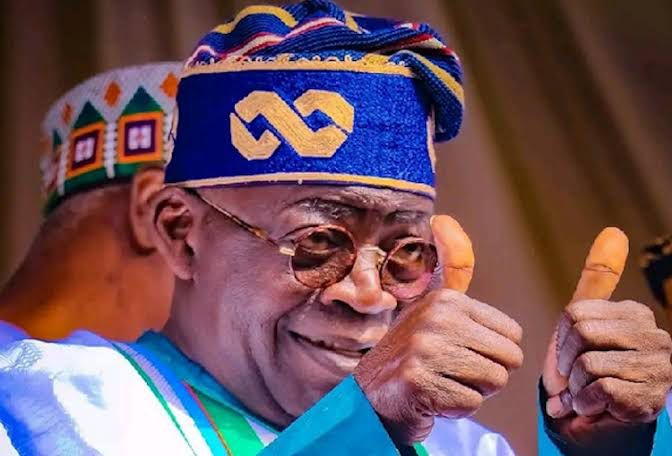
As Nigeria gears up for the 2027 elections, satire and visual media have emerged as significant tools for reflecting societal issues and shaping public discourse. With a history of political satire influencing voter behavior, the upcoming elections will likely see an intensified use of these media forms as citizens seek to engage with pressing national concerns.
Recent developments indicate a growing recognition among political analysts that visual storytelling can effectively highlight corruption and governance failures, galvanizing civic participation. "Satire allows citizens to confront uncomfortable truths about their leaders," asserts Dr. Amina Ibe, a political analyst. "It fosters a culture of accountability and encourages voters to make informed decisions."
As the political landscape evolves, the role of these expressive mediums may become even more crucial. Engaging narratives that resonate with the public could disrupt traditional power dynamics, empowering a younger electorate keen on change. Ultimately, as the lion roars in the electoral jungle, the appetite for reform among Nigerians may very well reshape the nation's political narrative.