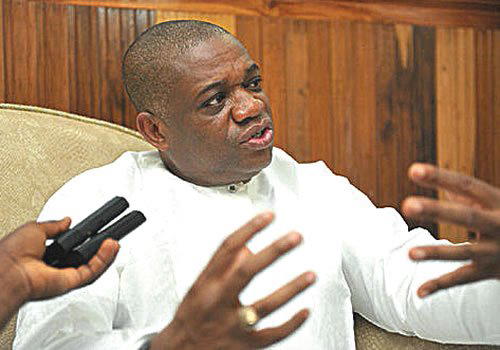
As Nigeria approaches the 2027 presidential elections, the political landscape is shifting, particularly for the South-East region. Senator Orji Uzor Kalu, representing Abia North, has emphasized the importance of broader coalition-building beyond regional lines to secure a viable candidate for the presidency. Addressing supporters at his home in Umuahia, Kalu remarked, “We must engage with other regions and political parties if we truly want to have a say in the outcome of the elections.”
Historically, the South-East has faced challenges in translating its electoral strength into presidential power, often overshadowed by larger regions. Kalu's call for unity and collaboration reflects a growing recognition among South-East leaders that their votes alone will not suffice to influence the national outcome. This sentiment is echoed by various political analysts who warn that without strategic alliances, the region risks marginalization in the 2027 race.
Looking ahead, the South-East must prioritize dialogue with other regions to ensure their interests are represented in the national discourse. As the election cycle intensifies, the ability to forge alliances could prove pivotal in shaping Nigeria's political future.