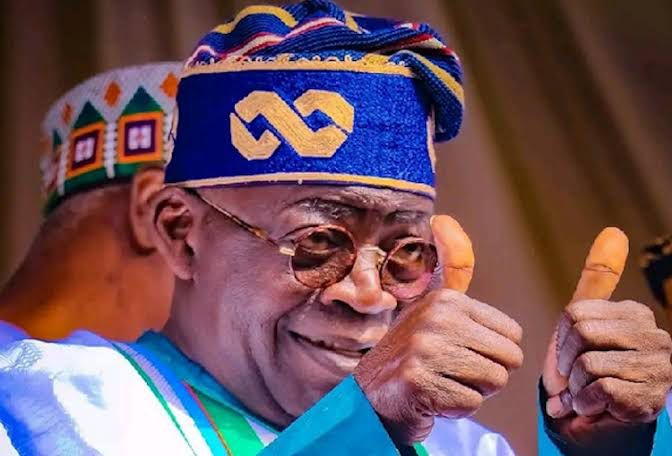
As Nigeria approaches the 2027 presidential election, Vice President Kashim Shettima has officially submitted President Bola Tinubu's nomination forms, signaling a bid for a second term. This move reflects Tinubu's intent to build on his administration's policies while addressing the myriad challenges facing the nation, including economic instability and security concerns.
Tinubu's first term has been marked by contentious reforms and efforts to unify a divided electorate. The submission of the forms was accompanied by Shettima's assertion that "continuity is essential for the progress we seek," highlighting the administration's focus on maintaining its developmental agenda. This strategic decision indicates a desire to consolidate power and further navigate the complexities of Nigerian politics.
As the political landscape evolves, Tinubu's re-election campaign will likely focus on his administration's achievements and the promise of stability amid growing public discontent. With opposition parties gearing up for a fierce contest, the coming months will be crucial in shaping Nigeria's democratic future and the electorate's response to the incumbent's tenure. The stage is set for a significant electoral battle, with implications that could resonate far beyond 2027.