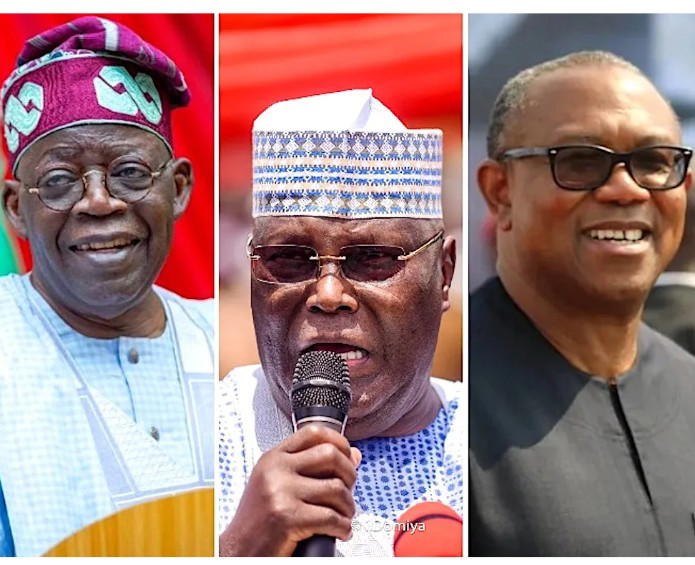
As the 2027 presidential election approaches, the fragmentation of southern political alliances may inadvertently strengthen northern candidates in a landscape historically shaped by zoning agreements. Analysts note that this division, evident in recent political maneuvers, could dilute the southern vote, allowing northern aspirants to capitalize on the disarray.
Historically, candidates like Atiku Abubakar have benefitted from zoning arrangements that ensured a more unified southern front. However, the current state of disunity raises concerns about political consistency and voter alignment. “If southern parties continue to splinter, it opens the door for the North to consolidate power,” says Dr. Ngozi Eze, a political analyst based in Abuja. This fragmentation, coupled with the North's strategic positioning, could redefine the electoral map.
Looking ahead, the 2027 election may witness a significant shift in power dynamics if southern factions fail to reconcile their differences. The emerging scenario suggests that northern candidates could not only gain traction but also reshape national policies in the years to come, emphasizing the crucial need for unity in the southern political landscape.