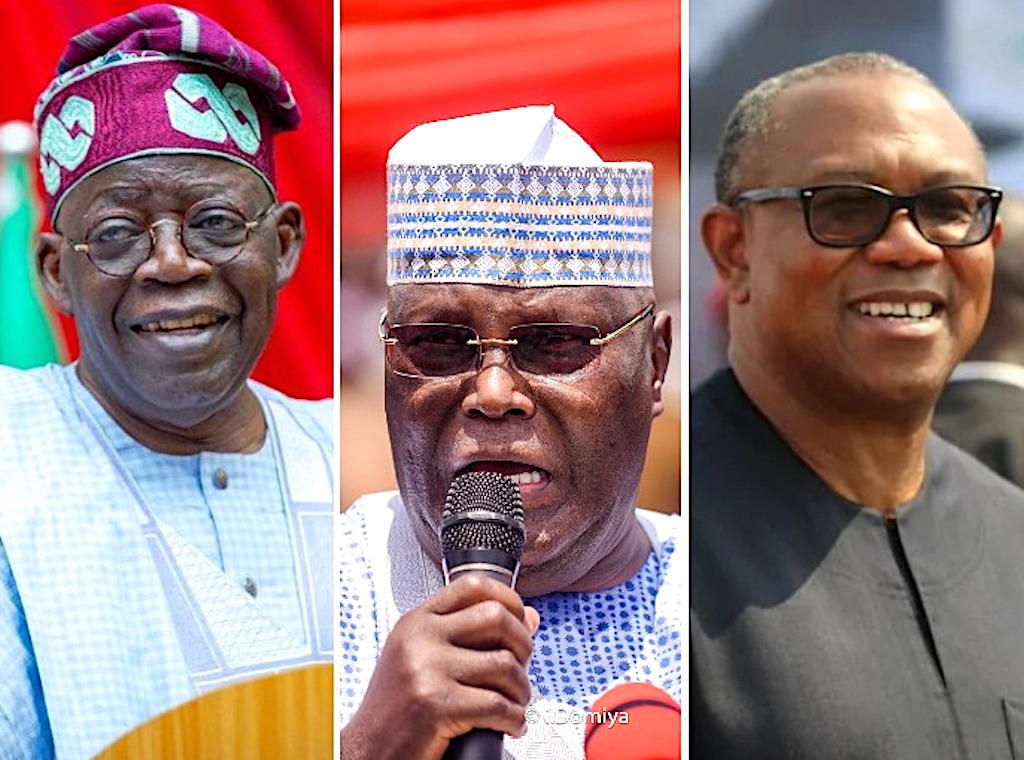
The push for local government autonomy in Nigeria faces significant delays, primarily due to the political landscape leading up to the 2027 elections. Despite a Supreme Court ruling mandating direct allocation of funds to local governments, President Bola Ahmed Tinubu's re-election bid has led to hesitance in implementing these reforms. This stalling not only undermines governance at the grassroots level but also raises questions about political motives overshadowing judicial mandates.
Stakeholders express concern over this development. "The Supreme Court's ruling was a critical step toward restoring local governance, but political ambitions are now jeopardizing progress," said Dr. Adaeze Okafor, a political analyst. The implications of this standoff are profound, as local governments, already struggling with financial constraints, may continue to suffer from inefficiency and lack of autonomy.
As the political landscape evolves, the urgency for local government autonomy may become a pivotal issue in the upcoming elections. If public sentiment turns against the current administration for failing to uphold judicial decisions, it could reshape the political strategies of candidates and parties alike, emphasizing governance accountability as a key electoral theme.