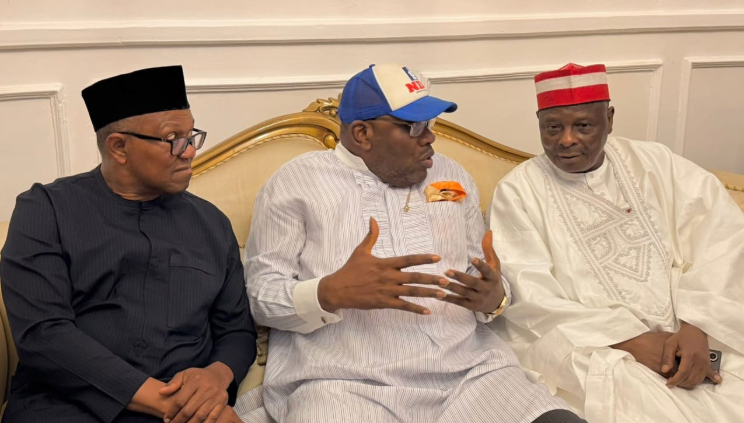
As Nigeria approaches the 2027 elections, the proposed presidential ticket of Peter Obi and Rabiu Kwankwaso is viewed with skepticism by some political groups. The Ndigbo for Tinubu group, known as NDI-ABAT, argues that such a partnership will not pose a significant challenge to President Bola Tinubu’s re-election bid.
Obi, a prominent figure from the southeast, and Kwankwaso, a key player from the north, represent different regional interests, but their alliance may struggle to galvanize a broader national appeal. NDI-ABAT spokesperson Chijioke Okafor stated, “Obi and Kwankwaso may have their bases, but they lack the widespread support necessary to unseat an incumbent with the resources and backing that Tinubu has.” This sentiment reflects a belief that regional affiliations will not suffice to overcome the established political machinery.
Looking ahead, the effectiveness of the Obi/Kwankwaso ticket will depend on their ability to unify diverse voter blocs and present a compelling alternative to Tinubu’s administration. As the political landscape evolves, the dynamics of alliances and voter sentiment will play a crucial role in shaping the electoral outcome.
