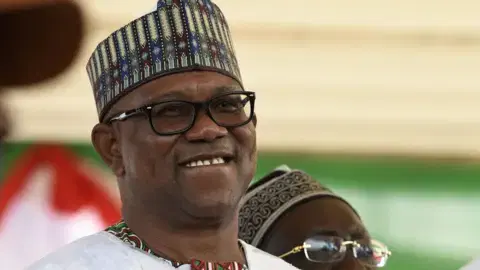
The political landscape in Northern Nigeria is increasingly polarized as presidential hopeful Peter Obi of the National Democratic Congress (NDC) pledges to serve only one term if elected in 2027. This commitment has ignited a vigorous debate among various stakeholders, with opinions ranging from cautious optimism to outright skepticism about its potential implications for governance and regional representation.
Supporters argue that Obi's one-term vow could foster political stability and encourage younger leaders to emerge. However, critics are wary, asserting that such a promise may undermine long-term policy continuity. "While the intention is noble, we must question whether it truly addresses the systemic issues affecting the North," said Amina Abubakar, a political analyst based in Kaduna.
As the election year approaches, the division within the North will likely shape campaign strategies and voter engagement. Obi's ability to unify these disparate views will be crucial, not only for his electoral success but also for the broader quest for cohesion within Nigeria's diverse political fabric. The outcome of this debate may ultimately influence the direction of national politics for years to come.