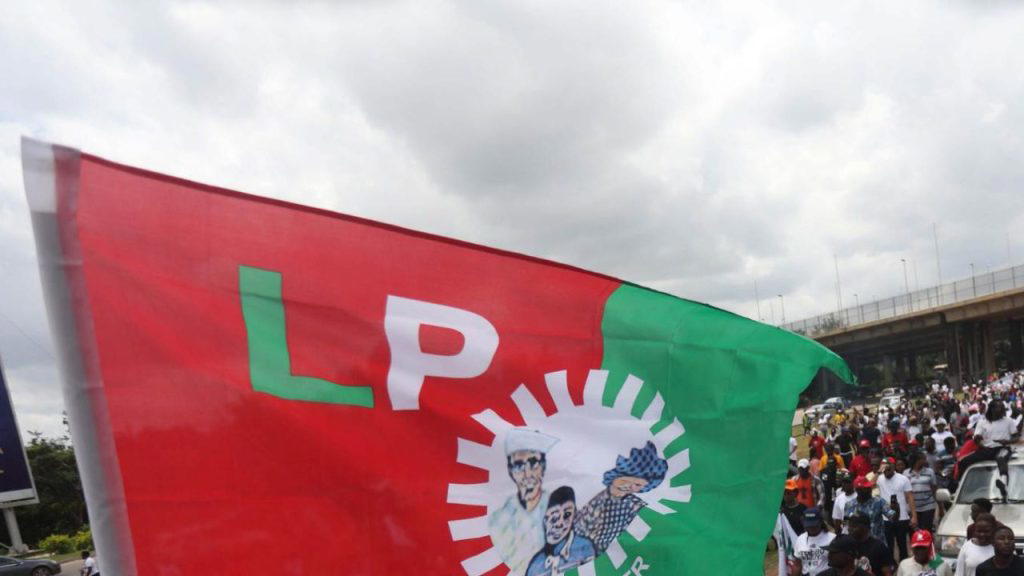
The tumultuous landscape of Nigerian politics has once again been stirred as aspirants from across the country vie for the Labour Party's nomination forms ahead of the 2027 elections. The political scene is charged with anticipation, as notable figures such as Maku and Abbo have thrown their hats into the ring, seeking to secure their positions in what promises to be a fiercely contested electoral season. This surge of activity within the Labour Party is indicative of the wider political currents sweeping through Nigeria, as parties and individuals jostle for influence and power in the lead-up to the elections.
In recent years, the Labour Party has emerged as a significant player in Nigeria's political landscape. Founded in the early 2000s, the party was initially perceived as a marginal force within the overwhelmingly dominant political environment shaped by the larger parties such as the All Progressives Congress (APC) and the People's Democratic Party (PDP). However, through strategic positioning and a growing appeal to the working class and youth demographics, the Labour Party has steadily gained traction. The party's emphasis on social justice, economic reform, and transparency in governance has resonated with many Nigerians who are disillusioned with the status quo.