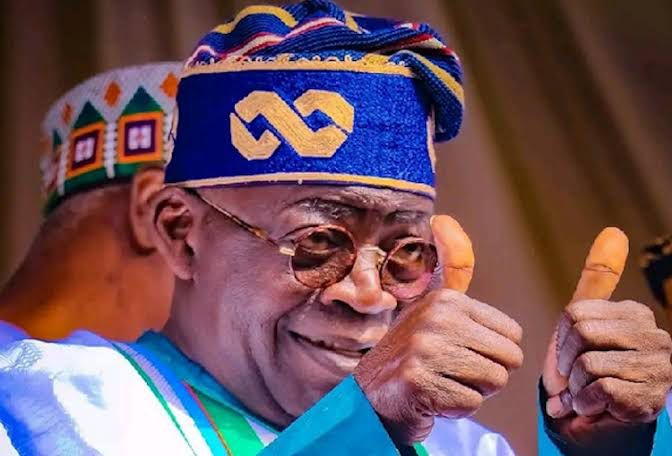
Former President Goodluck Jonathan's recent suggestion of a potential presidential comeback in 2027 has ignited discussions across Nigeria's political landscape. Speaking to supporters in Abuja, he emphasized the importance of consulting widely about his candidacy, reflecting a calculated approach to gauge public sentiment and party support. Jonathan, who served from 2010 to 2015, remains a polarizing figure, revered by some for his moderate governance but criticized by others for perceived failures in security and economic management.
Political analyst Dr. Aisha Suleiman remarked, "Jonathan's return could reshape the electoral dynamics, especially among the youth who seek change but are also nostalgic for stability." The former president's announcement taps into a growing discontent with the current administration and the desire for experienced leadership amid ongoing challenges like economic instability and insecurity.
As Nigeria gears up for the 2027 elections, Jonathan's potential candidacy could redefine party alliances and voter mobilization. The political landscape remains fluid, and how he navigates this period of consultation will be crucial in determining not only his political future but also the broader trajectory of Nigeria's democracy.