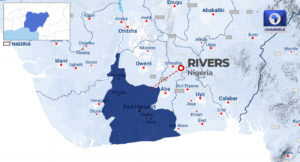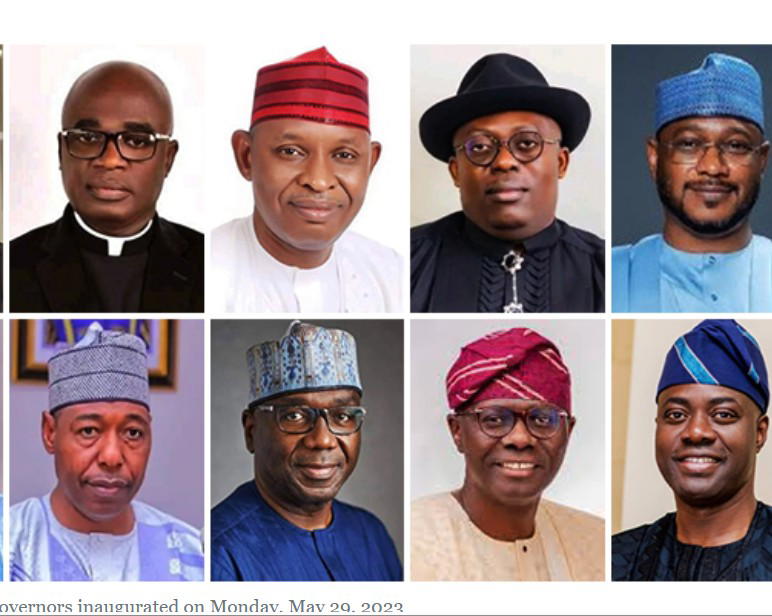
As Nigeria gears up for the 2027 governorship elections, the political landscape is charged with competition and uncertainty. In 28 states, outgoing governors are not only vying to secure their legacies but are also intent on handpicking successors, while first-term governors face significant challenges in retaining their positions. The situation is particularly precarious for most incumbents, with only Siminalayi Fubara of Rivers State seeming to maintain a firm grip on his governorship.
Political analysts note that the stakes are exceptionally high, as the outcomes could reshape party dynamics ahead of the 2027 general elections. “Governors must navigate a complex web of loyalty and ambition within their parties,” says Dr. Adebayo Ogunleye, a political scientist. “The pressure to deliver on promises while ensuring a smooth transition to a successor will be immense.”
As political parties finalize their candidate lists, the next few months will be critical. The strategies adopted by outgoing governors and their challengers will not only determine individual electoral outcomes but may also signal broader shifts in Nigeria's political power structures, setting the stage for future governance challenges.