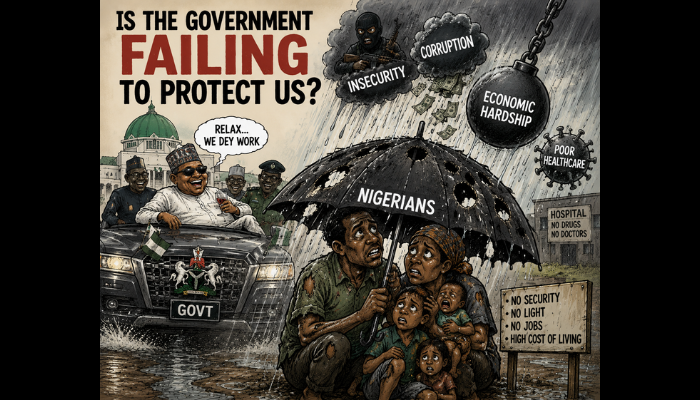
As Nigeria approaches the 2027 elections, a pervasive sense of insecurity looms large, raising critical questions about the government's ability to protect its citizens. The widespread kidnapping of schoolchildren and escalating violence have transitioned from alarming news reports to daily realities for many Nigerians. Recent statistics indicate a notable increase in violent incidents, with many families feeling increasingly vulnerable in their own communities.
Stakeholders are vocal in their concerns. "The government's failure to address these security challenges is a direct threat to our democracy and the future of our children," states Maryam Abubakar, a prominent human rights advocate. As citizens grapple with fear and uncertainty, political leaders face mounting pressure to prioritize security in their campaigns, signaling a potential shift in electoral dynamics.
Looking ahead, the government's response to this crisis could significantly influence voter sentiment. With insecurity at the forefront, the upcoming elections may serve as a referendum on the current administration's effectiveness in safeguarding the populace. As Nigerians weigh their options, the emphasis on security will likely shape the political landscape in the months to come.