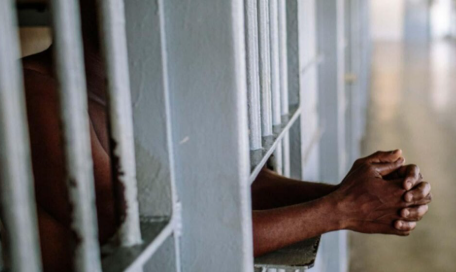
As Nigeria approaches the 2027 elections, the plight of the country’s 80,812 inmates highlights a troubling oversight in political discourse. Despite the significant number of individuals incarcerated, discussions around electoral reforms and prisoners' rights remain scant. Many inmates, who often lack adequate legal representation, stand to be further marginalized as candidates focus on broader issues, leaving their voices unheard.
Key developments indicate a growing frustration among advocacy groups. "It is disheartening to see that the voices of inmates are ignored in the political arena," says Dr. Amina Ibrahim, Director of the Nigerian Prison Reform Initiative. This sentiment reflects a broader concern that the electoral process may perpetuate systemic injustices rather than address the underlying issues facing the criminal justice system.
As the elections draw near, it is crucial for political candidates to prioritize the rights and rehabilitation of inmates. The potential for reform in this area could not only enhance the democratic process but also contribute to a more equitable society. If the needs of these individuals remain sidelined, Nigeria risks deepening social divides and undermining the very principles of justice it seeks to uphold.