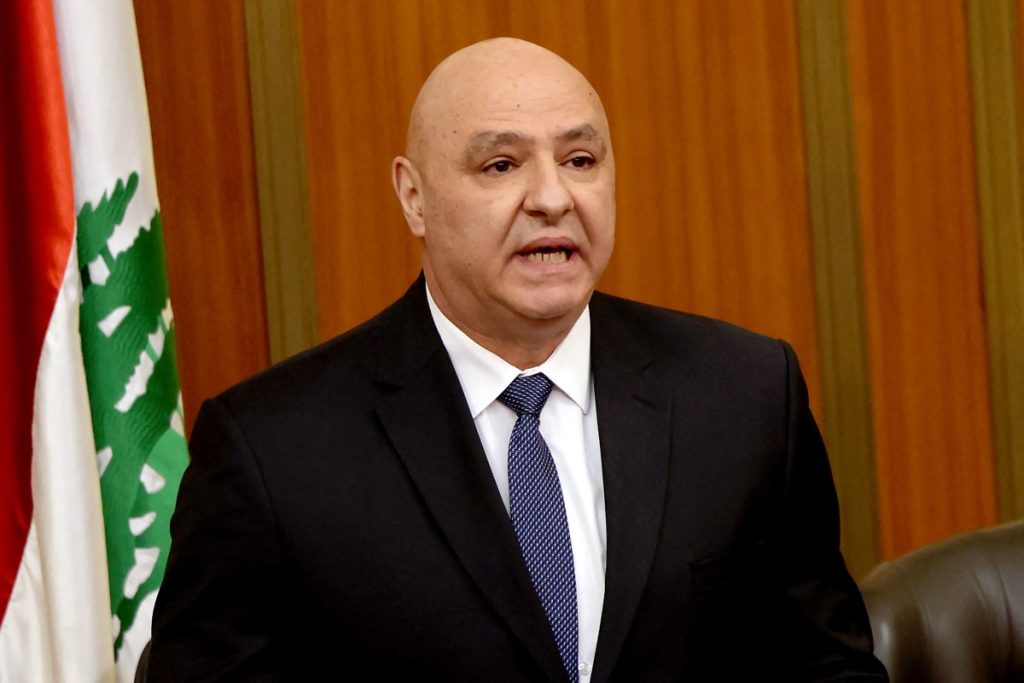
As the 2027 presidential election approaches, the African Democratic Congress (ADC) grapples with internal strife and diminishing influence. Once seen as a potential disruptor in Nigeria’s political landscape, the ADC now faces challenges, particularly in the wake of leadership disputes and the rising profile of figures like Nasir El-Rufai, who is positioning himself as a formidable candidate in the political arena.
The party has struggled to maintain cohesion amid ego wars, with factions vying for control and direction. This turbulence has left the ADC vulnerable, as it attempts to rally support in a competitive electoral environment. “Unity is paramount for any political party, and without it, we risk losing the trust of our electorate,” warns party spokesperson, Chika Okoro.
As political dynamics shift and alliances form, the ADC must reevaluate its strategies to remain relevant. The upcoming election will serve as a critical test of the party's resilience and adaptability. If it fails to unify and redefine its message, the ADC risks being sidelined in a race dominated by more established parties.