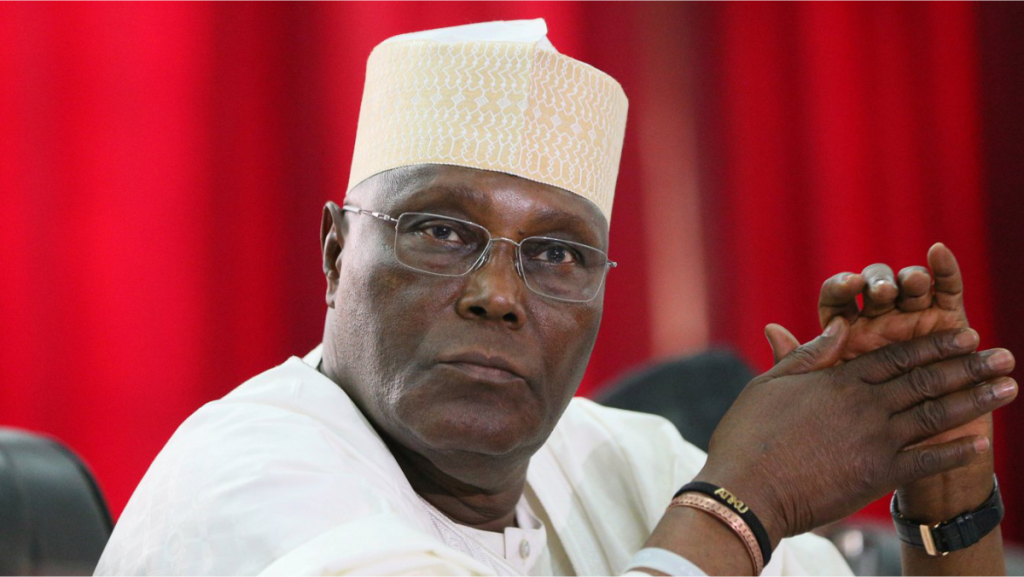
As Nigeria approaches the 2027 elections, the African Democratic Congress (ADC) faces an existential crisis marked by internal strife and dwindling public support. Once positioned as a viable alternative in the political landscape, the ADC is now grappling with factional disagreements and leadership disputes, particularly involving prominent figures like Nasir El-Rufai. The party's inability to solidify its base has raised questions about its relevance in a competitive electoral environment.
Jamilu Isa Kwarbai notes, "Without unity and a clear vision, we risk becoming irrelevant in the quest for power." This sentiment reflects the urgent need for the ADC to recalibrate its strategy and engage with voters more effectively. Recent predictions suggest that unless the party addresses these internal conflicts, its chances of mounting a credible challenge in 2027 will be severely compromised.
Looking ahead, the ADC must prioritize coalition-building and grassroots outreach to revive its fortunes. With political dynamics shifting rapidly, the party's ability to adapt and reconnect with the electorate will be crucial in determining its future role in Nigeria's democracy.