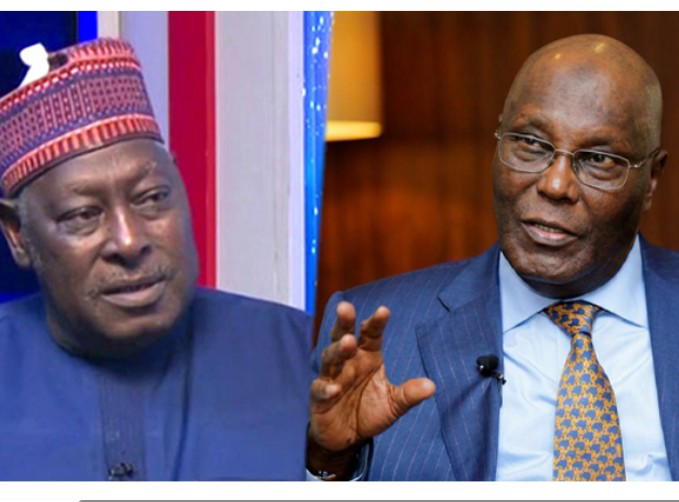
In a heated political climate ahead of the 2027 elections, former Vice President Atiku Abubakar has condemned Babachir Lawal for his recent comments that Atiku describes as "tribal bigotry." This exchange highlights ongoing tensions regarding ethnic identity and representation in Nigeria's political landscape. Atiku's remarks come in response to Lawal's accusations that political leaders from certain regions prioritize their ethnic groups over national unity.
Atiku emphasized his commitment to inclusivity, referencing his initiatives like providing scholarships to some of the released Chibok schoolgirls at the American University of Nigeria. "We must focus on rebuilding lives rather than dividing our people," Atiku stated, framing his actions as a contrast to Lawal's approach. This rhetoric aims to position Atiku as a unifier in a country grappling with deep-seated ethnic divisions.
Looking ahead, the discourse around ethnicity in Nigerian politics is likely to intensify as the election approaches. Voters increasingly seek leaders who promote unity and social progress, making Atiku’s stance a potential rallying point for those disillusioned by tribalism's pervasive influence in governance.