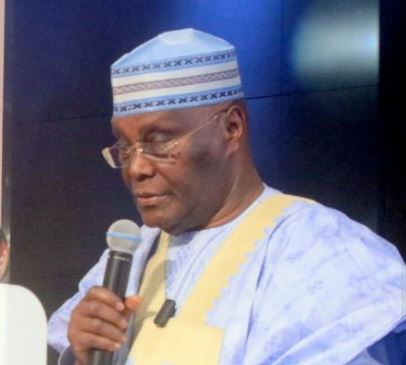
As Nigeria approaches the 2027 presidential election, former Vice President Atiku Abubakar has positioned himself as a key challenger by securing the nomination of the African Democratic Congress (ADC). During his launch event, he criticized the ruling All Progressives Congress (APC), describing their promises as "meaningless renewed hope" that fails to address the pressing issues faced by Nigerians.
Abubakar emphasized his commitment to a "national recovery mission," highlighting the need for concrete actions over empty rhetoric. His remarks resonate with a populace increasingly disillusioned by economic hardships and governance failures. The ADC aims to capitalize on this dissatisfaction, presenting itself as a viable alternative to the APC's established power.
"The time for talk is over; we need action," Abubakar declared, rallying support for his agenda. As the political landscape evolves, the ADC's challenge will be translating this momentum into tangible electoral success. With rising public discontent, the 2027 elections will likely be a critical juncture, potentially reshaping Nigeria's political future and governance approach. The outcome remains uncertain, but the stakes are undeniably high.