As the 2026 World Cup approaches, tensions are rising over the treatment of international delegations, particularly from Iran. Iranian football officials have publicly criticized their experience at the Canadian border during a recent FIFA Congress, asserting that FIFA, not former President Trump or the U.S., is the legitimate host of the tournament. This statement underscores Iran's frustration with perceived political overreach affecting sports diplomacy.
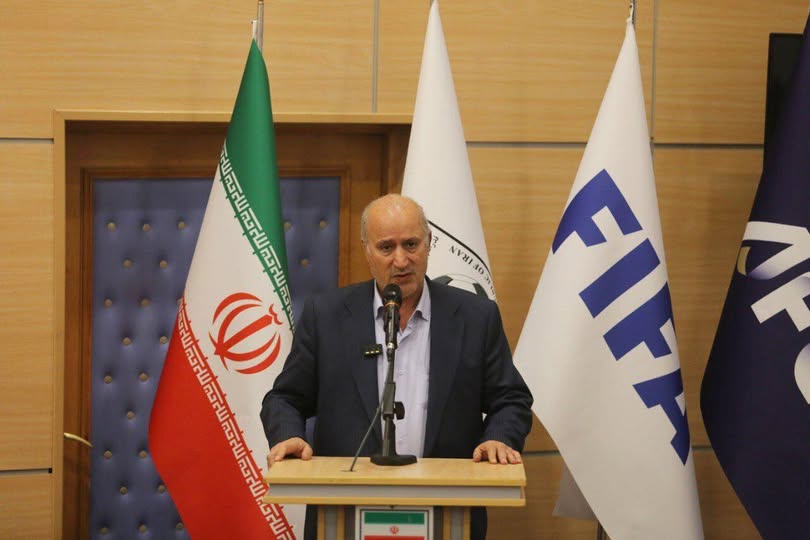
Iran's comments reflect a broader concern within the football community regarding the intersection of politics and sports. The Iranian delegation's grievances highlight the complexities of hosting a global event in a politically charged environment. "Our host is FIFA, not Trump or America,” stated Mehdi Taj, president of the Football Federation of the Islamic Republic of Iran. This declaration not only defends their position but also calls for a focus on the spirit of the game rather than geopolitical tensions.
Looking ahead, the 2026 World Cup will test FIFA's ability to manage diverse political landscapes while ensuring an inclusive environment for all participating nations. As the tournament draws nearer, the international community will be watching closely to see how these dynamics unfold.