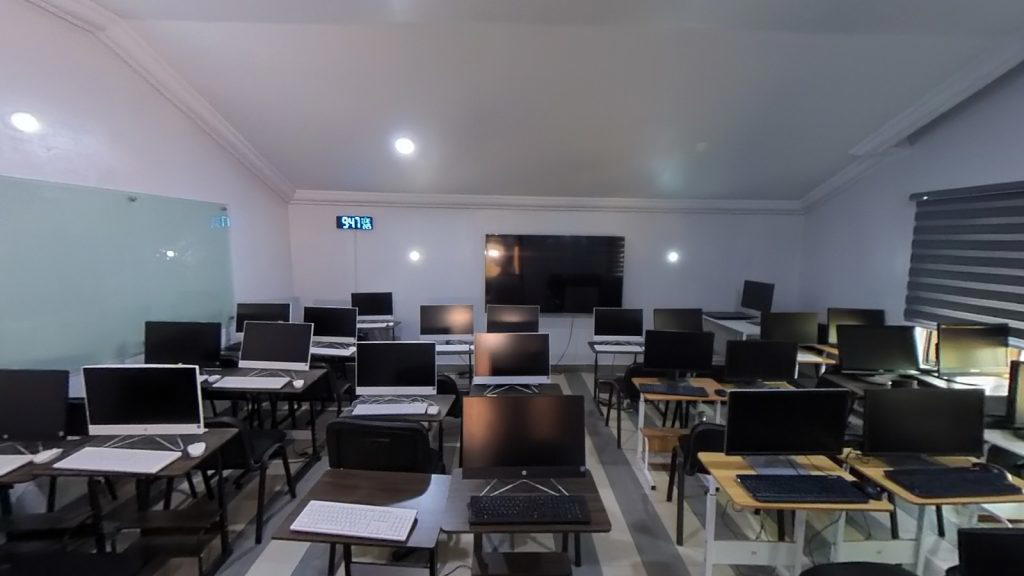
The 2026 Unified Tertiary Matriculation Examination (UTME) has ignited a mixed response, highlighting both advancements and persistent challenges in Nigeria's educational landscape. The introduction of biometric verification is lauded for enhancing security and integrity in the examination process, aiming to curb examination malpractices. However, technical glitches have marred the experience for many candidates, raising concerns about the reliability of the system.
Stakeholders are expressing divergent views on the effectiveness of the reforms. Dr. Amina Bello, a prominent education advocate, stated, "While the biometric system is a step in the right direction, the technical issues undermine its credibility and the candidates' confidence." This division illustrates the ongoing struggle to modernize educational assessments in a system long plagued by inefficiencies.
Looking ahead, the Ministry of Education must address these technical shortcomings to ensure the UTME fulfills its intended purpose of providing a fair opportunity for all candidates. Continuous investment in technology and infrastructure will be crucial in restoring public trust and improving the examination experience for future cohorts. The path forward hinges on balancing innovation with practical execution.