The alarming statistic of 15 million Nigerian children out of school underscores a persistent crisis that threatens the nation's future. The Federal Government's recent disclosure highlights a growing educational gap exacerbated by economic instability, insecurity, and inadequate infrastructure. Despite various initiatives aimed at increasing enrollment, the numbers reflect a systemic failure to address the root causes of this issue.
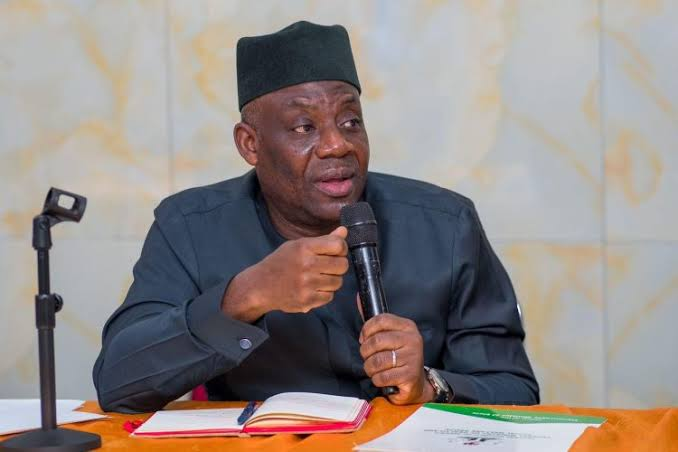
Education Minister, Adamu Adamu, stated, "We must prioritize access to quality education; our children are the future leaders of Nigeria." His remarks emphasize the urgent need for comprehensive policy reforms and investment in educational facilities. The government's recognition of the problem is a step forward, but it requires a concerted effort involving all stakeholders, including local governments and international partners.
As Nigeria grapples with these challenges, the burden of an uneducated population looms large, potentially stifling economic growth and social development. Moving forward, it is imperative that the government not only raises awareness but also implements effective strategies to ensure every child has access to quality education. Without decisive action, the crisis will continue to hinder Nigeria's aspirations for progress and prosperity.