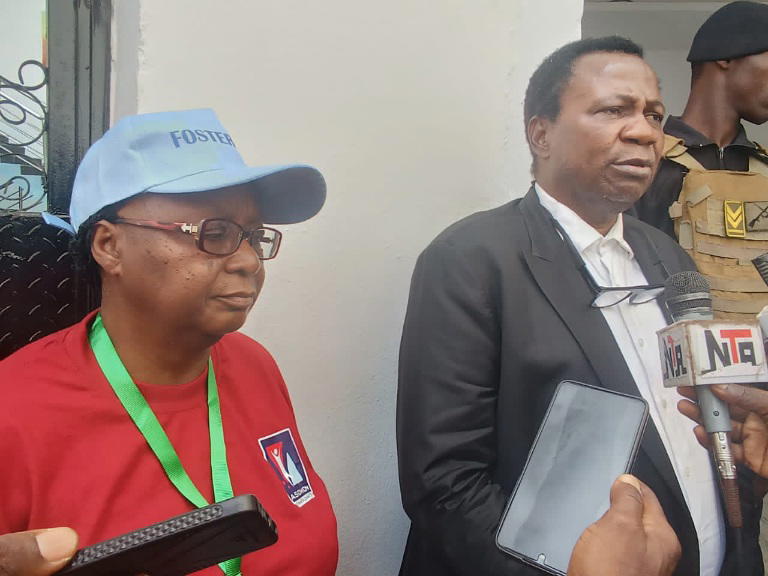
The alarming statistic of 14 million children residing in orphanages across Nigeria underscores a profound societal crisis, primarily attributed to governmental neglect. Speaking at a recent conference, Dr. Oyediji, the President of the Association of Orphanages and Homes in Nigeria (ASOHON), highlighted the dire circumstances, stating, "The irresponsibility of our governments has left countless children without families, support, or hope for a better future."
The rising number of orphans can be traced to various factors, including poverty, disease, and conflict, exacerbated by insufficient state support for vulnerable families. With inadequate resources and infrastructure, many children find themselves in orphanages rather than being cared for in nurturing environments. This situation not only highlights systemic failures but also calls for urgent reforms in social policies.
As Nigeria grapples with these challenges, the urgent need for a comprehensive approach to child welfare becomes clear. Stakeholders must advocate for better funding, community support programs, and policies that prioritize family preservation. The future of millions of Nigerian children hangs in the balance, necessitating immediate action to break the cycle of neglect and abandonment.