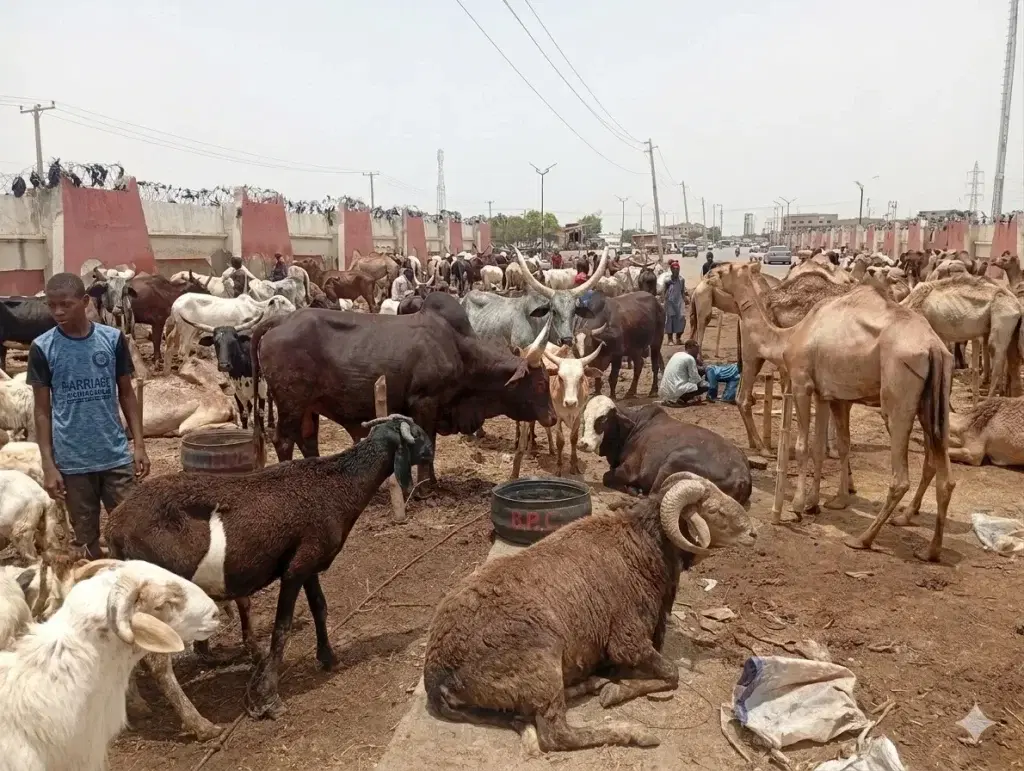
Eid-El-Kabir, also known as Sallah, is a significant celebration for Muslims in Nigeria, marked by the ritual sacrifice of rams and communal feasting. This year, households across the nation are preparing to indulge in a variety of traditional dishes that showcase the prized ram meat, a central feature of the festivities. From spicy kebabs to savory stews, the culinary offerings reflect both regional diversity and deep cultural significance.
According to Fatima Ibrahim, a food blogger and cultural commentator, “Sallah is not just about the sacrifice; it’s a time for families to come together and share meals that carry our heritage.” This sentiment resonates strongly as families gather, often inviting neighbors and friends to partake in the celebrations, emphasizing unity and generosity.
As the festivities unfold, the increasing popularity of these traditional dishes not only highlights the importance of culinary heritage among Nigerians but also underscores a growing trend towards preserving cultural practices in an ever-globalizing world. Looking ahead, Sallah celebrations may continue to evolve, blending traditional flavors with contemporary influences, yet always remaining rooted in the rich tapestry of Nigerian culture.